Introduction
In today’s fast-moving business environment, automation isn’t just a nice-to-have; it’s central to building operational efficiency, scalability and agility. For PeopleOps teams, moving from a single pilot job (for example, automating onboarding tasks, scheduling performance reviews, or handling benefits enrolment) to a full company-wide automation rollout requires structure, alignment and stakeholder buy-in.
This blog walks you through a 90-day rollout plan that begins with a pilot and ends with company-wide automation, highlighting pain points, best practices, real-world scenarios and how PeopleOps can lead the change.


Why a phased 90-day plan matters
Pain points
- Organisations often launch a single automation pilot (e.g., automating payroll approvals) but struggle to scale it.
- Without a structured plan, the pilot remains isolated, business units revert to manual processes, and ROI stalls.
- Change management gaps: staff don’t adopt new workflows, there’s confusion around roles, and unanticipated integration issues surface.
- Technical integration issues: legacy systems, data silos and inconsistent process definitions hamper scaling.
- Lack of metrics and governance: no clear KPIs or ownership leads to drift, budget leaks and limited visibility.
Why 90 days?
A 90-day horizon (roughly three months) is long enough to gain meaningful traction, but short enough to maintain momentum. It allows you to:
- Validate the pilot, extract learnings, refine workflows
- Build stakeholder momentum and buy-in
- Scale the process to additional teams/functions
- Set foundations for sustainability and governance
Notably, structured 30-60-90-day frameworks (common in onboarding) help achieve clarity, alignment and early wins. AIHR+2Rippling+2
Role for PeopleOps
Your PeopleOps team sits at the intersection of people, process and technology. You act as translator between business requirements (HR, talent, operations) and technical implementation (automation platform, systems integration, workflow). You own change-management, governance, adoption and measurement.
The 90-Day Rollout Plan, Journeys & Phases
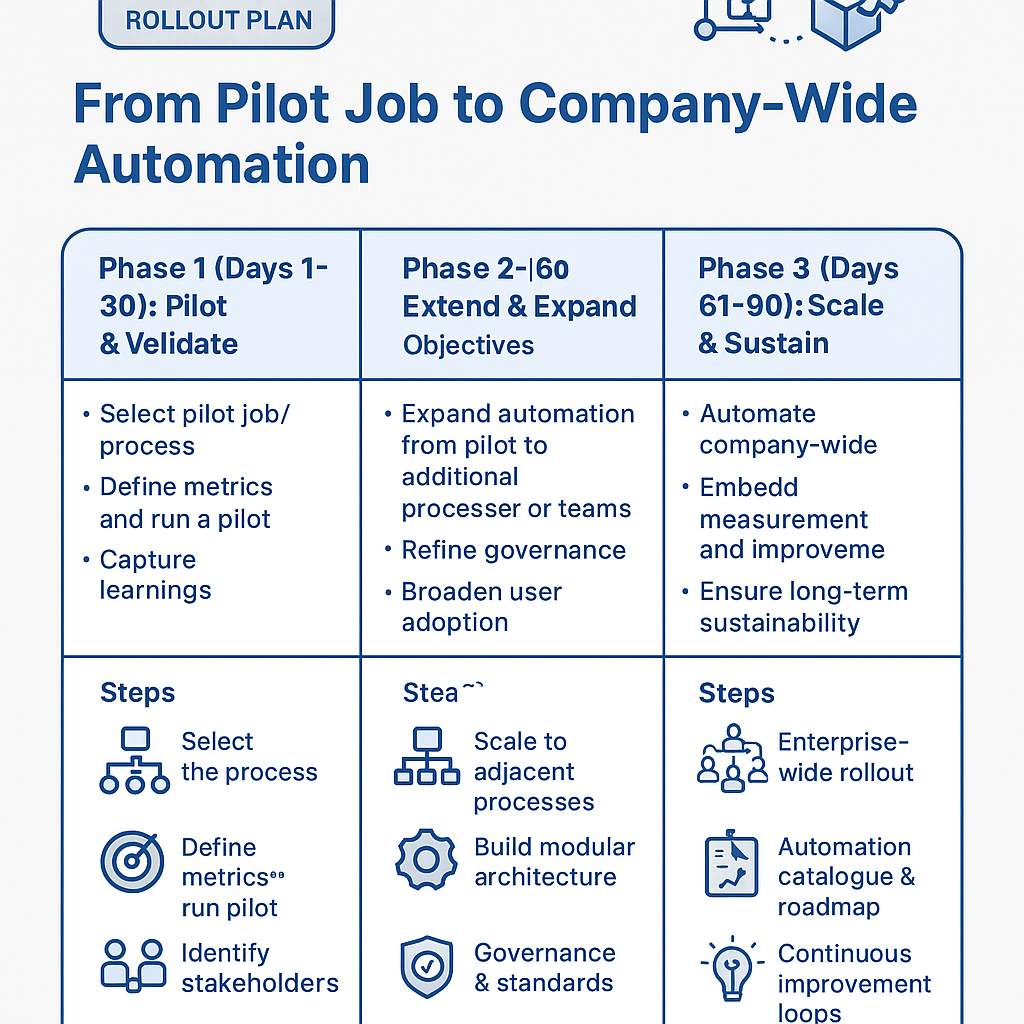
We divide the 90-day plan into three phases: Days 1-30 (Pilot & Validate), Days 31-60 (Extend & Expand), and Days 61-90 (Scale & Sustain).
Phase 1 (Days 1-30): Pilot & Validate
Objectives
- Select pilot job/process that is high-impact, low-risk
- Define success metrics, baseline manual process
- Configure automation, engage stakeholders, run pilot
- Capture learnings, refine approach
Steps
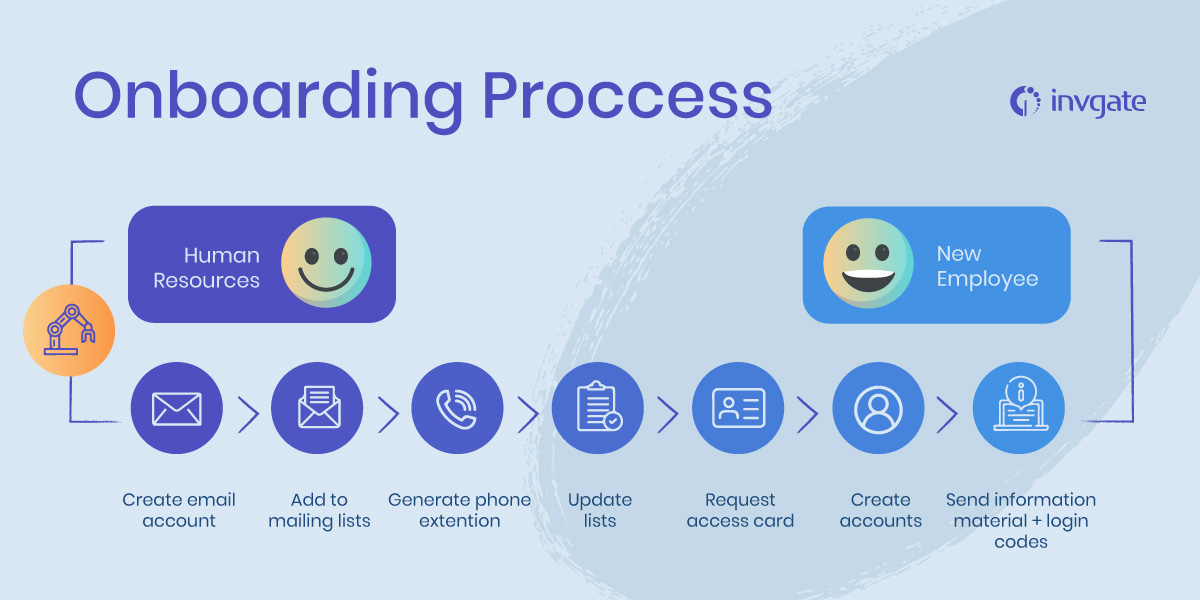
- Select the process: Choose a candidate for automation (e.g., new-hire onboarding tasks: account setup, benefits enrolment, training assignment). Ensure it’s clearly defined, replicable, and has measurable impact.
- Define baseline metrics: Manual cycle time, error rate, cost (FTE hours), user-experience feedback.
- Identify stakeholders: HR, IT, operations, business unit leads, vendor/automation provider. Clarify roles: process owner, automation owner, change owner.
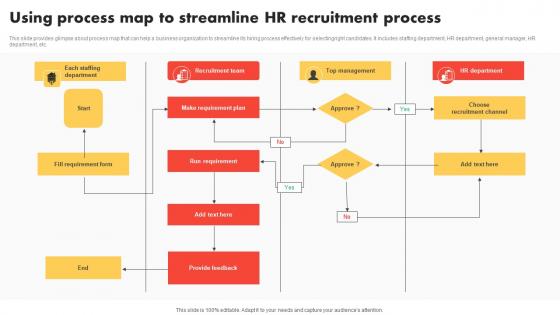
- Design workflow: Map current state (“as-is”), design future state (“to-be”) with automation. Ensure integration with existing systems (HRIS, ATS, payroll, etc).
- Build pilot: Configure automation (RPA, workflow tool, no-code/low-code platform). Ensure logging, error-handling, rollback ability.
- Change-management & training: Communicate to affected staff, provide quick training, gather feedback.
- Run pilot: Monitor metrics, track issues, document learning.
- Review & refine: At day 30, compare manual vs automated: time saved, user satisfaction, errors avoided. Capture lessons and create a “pit-stop” review.
Real-world scenario
Imagine a company automating the new-hire onboarding process in HR. The pilot automates account creation in the HRIS, IT ticket submission, and scheduling induction training. The baseline: 2.5 FTE hours per hire, onboarding fatigue complaints. After pilot: 1.2 FTE hours, satisfaction improved, two manual errors removed. With this validated pilot, PeopleOps can build the case for broader rollout.
Key success factors
- Strong sponsorship (C-suite or HR leadership) to drive urgency
- Clear ROI articulation (time, cost, error reduction)
- Effective collaboration between process owners, IT/automation teams and HR operations
- Transparent change plan and training

Phase 2 (Days 31-60): Extend & Expand
Objectives
- Build on pilot success, expand to additional processes or teams
- Standardise automation design, refine governance
- Broaden user-adoption and change-management
Steps
- Scale to adjacent processes: Select 1–2 additional processes that benefit from automation (for example, performance review scheduling, leave request approvals, off-boarding checklist).
- Build modular architecture: Use learnings from the pilot to define reusable templates (workflow modules, exception-handling rules, reporting dashboards).
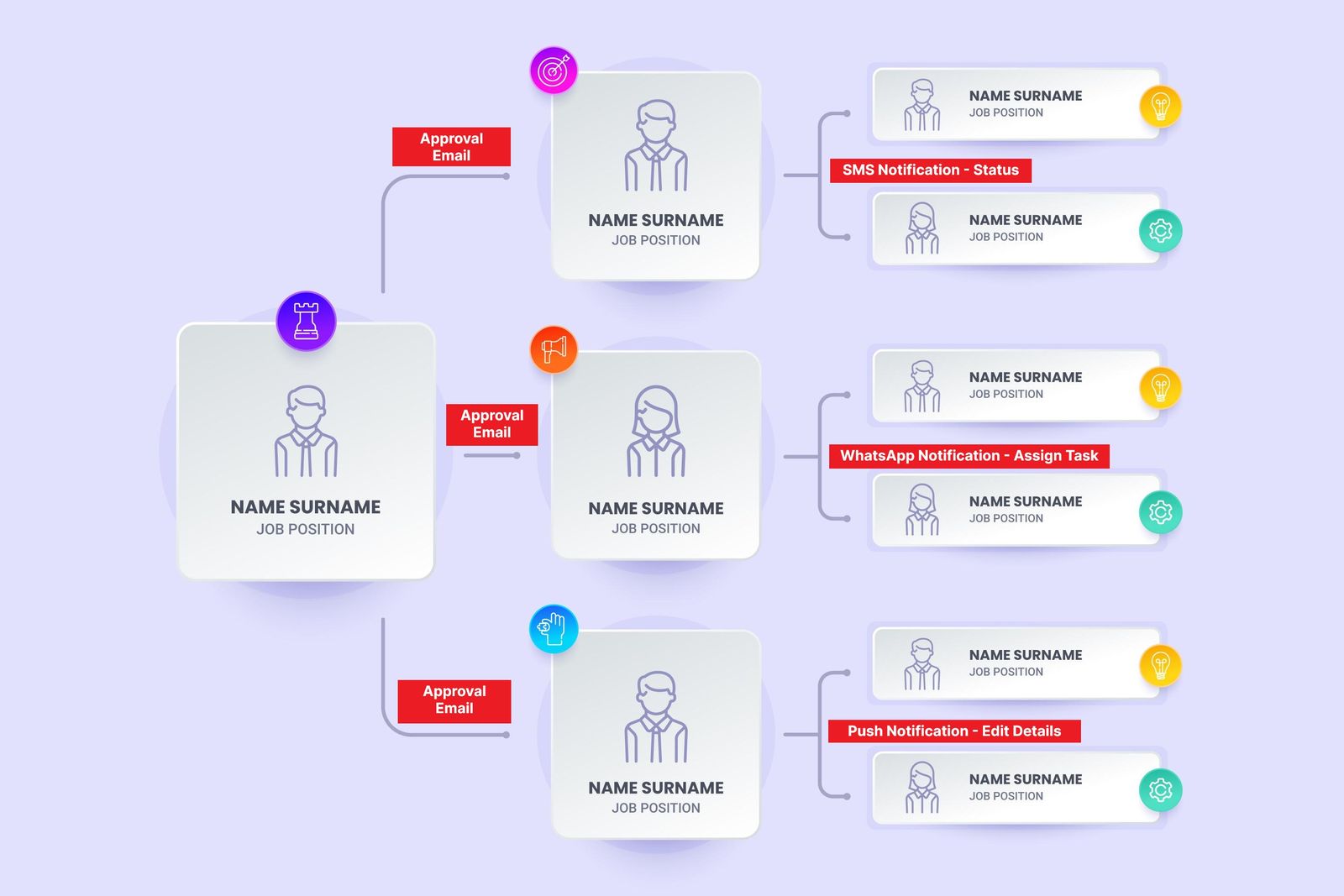
- Governance & standards: Establish automation governance (roles: owner, steward, champion), define standards for workflow design, exception management, data security and compliance.
- User-adoption campaign: Wider communication: “What happened in the pilot, here’s what to expect now.” Provide training sessions, quick-start guides, and dedicated support for teams.
- Measure & adjust: Track the same metrics (time saved, error reduction, user satisfaction) across new processes. Adjust workflows based on feedback.
- Change impact assessment: Evaluate how automation affects roles, up-skill/reskill impacted staff, identify resistance or drop-offs.
- Risk management: Monitor integration issues, system exceptions, failure rates. Put escalation paths in place.
Real-world scenario
Following the onboarding pilot, PeopleOps chooses to automate leave-request approvals and performance-review scheduling across two business units. Automation templates are reused, governance is formalised, adoption training is rolled out. Effective dashboards show 35% time savings and fewer manual errors. The momentum builds with the business units championing automation.
Key success factors
- Finding “adjacent wins” that reinforce the pilot success
- Robust governance to avoid ad-hoc, unmanaged automation sprawl
- Broad change-management: from early adopters to influencers in each team
- Standardised metrics and reporting so business leaders can see value


Phase 3 (Days 61-90): Scale & Sustain
Objectives
- Roll out automation company-wide (or across major functions)
- Embed measurement, continuous improvement and culture of automation
- Ensure long-term sustainability, scalability and value realisation
Steps
- Enterprise-wide rollout: Move from pilot and adjacent processes to full coverage of target domains (e.g., all HR operational workflows, perhaps some Finance/Operations workflows if within scope).
- Automation catalogue & roadmap: Maintain a “process automation pipeline” – list of processes queued with prioritisation, status, owner, estimated value.
- Continuous improvement loops: Establish regular reviews: what’s working, what isn’t, process optimization sessions, lessons learned.
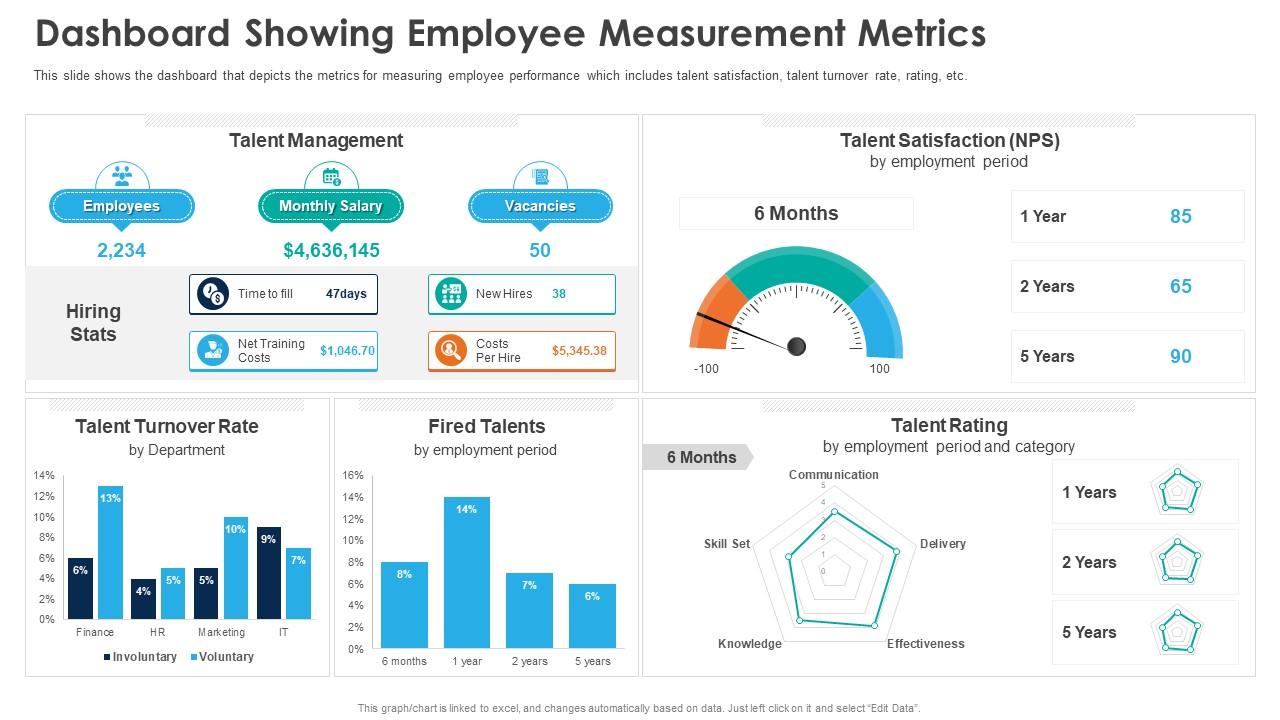
- Performance dashboards & executive reporting: Provide dashboards showing key metrics: cost saved, hours freed, error drop rate, adoption rates, ROI. Align with business objectives.
- Change culture & capabilities: Embed automation mindset: build internal champions, create a “citizen-developer” or process-improvement community, train PeopleOps/IT on new tools.
- Governance and risk management at scale: Maintain role clarity (Process Owner, Automation Developer, Change Lead), ensure documentation, maintain version control, audit trails, compliance with data/privacy regulations.
- Sustainability & scaling beyond 90 days: Plan for next-quarter or next-year: expanding to other business functions, cross-department workflows, more advanced automation (AI/ML, predictive workflows).
Real-world scenario
In our HR automation example, by day 90 the automation framework now covers onboarding, off-boarding, leave approvals, performance reviews and benefits enrolment across the enterprise. A dashboard shows X-hours freed (e.g., 10 000 hours/yr), cost savings of 20%, error rate drop of 50%. PeopleOps leads a “Process Automation Council” and a pipeline of 30 new candidate workflows is ready for Q2. Automation mindset is now part of the culture: teams proactively seek process improvement opportunities.
Key success factors
- Leadership visibility: executives see automation as strategic, not just tactical
- Metrics-driven management: tracking actual impact (vs theoretical)
- Embedding capabilities: training and community building so the organisation doesn’t rely on a single team
- Planning for the future: automation is not a one-time project but a capability


Common Pitfalls & How PeopleOps Should Avoid Them
| Pitfall | Why It Happens | Prevention by PeopleOps |
|---|---|---|
| Pilot succeeds but doesn’t scale | Lack of support, no roadmap beyond pilot | Create scale-plan early, involve business stakeholders from start |
| Process definitions unclear | Manual process not documented, variation across teams | Map “as-is” process carefully, standardise, involve process owners |
| Low adoption / user resistance | Users see automation as threat or get insufficient training | Change-management strategy, communicate benefits, up-skill users |
| Data/integration issues | Legacy systems, data silos, manual hand-offs | Engage IT early, define integration requirements, plan data cleansing |
| Metrics unknown or ignored | No baseline, no governance, no ownership | Define KPIs up-front, assign ownership, review in business steering meetings |
| Automation “sprawl” | Multiple unmanaged automation leads to chaos, duplication, risk | Establish automation governance, catalogue, roles, standards |
The Role of PeopleOps in Each Phase
- Strategy & selection: Work with business leaders to identify high-value processes, clarify objectives, define success criteria.
- Change-management & communication: Develop communication plans, training materials, stakeholder engagement, feedback loops.
- Governance & oversight: Define roles (Process Owner, Automation Owner, Change Lead), ensure documentation, maintain oversight.
- Measurement & reporting: Track metrics, build dashboards, present to leadership, evolve roadmap.
- Sustainability & culture-building: Create citizen-developer programmes, process improvement communities, embed automation as part of operations, not a one-off project.
Sample 90-Day Timeline at a Glance
| Days | Focus | Key Activities |
|---|---|---|
| 1-30 | Pilot & Validate | Select process, map “as-is”, design “to-be”, build pilot, measure baseline, train users, capture lessons. |
| 31-60 | Extend & Expand | Choose next processes, create automation templates, build governance, roll out broader training, track metrics. |
| 61-90 | Scale & Sustain | Roll out company-wide, establish automation catalogue/roadmap, embed governance and culture, report to execs, plan next waves. |
Final Thoughts
By following a structured 90-day rollout plan, your PeopleOps team can move from a one-off automation pilot to a scalable, sustainable enterprise-wide automation capability. The key is to balance speed (getting early wins) with rigour (governance, measurement, change-management) and to embed automation as part of your organisation’s way of working.
Automation isn’t just about technology, it’s about enabling your people to focus on higher-value work, removing friction, improving quality and building a culture of continuous improvement. As you launch this plan, you’ll empower your business to move faster, smarter and more confidently.
If you’d like a downloadable template or a workshop walkthrough for the phases above, we can prepare one for your team.
Leave a Reply