
Introduction
As the Controller, your month-end pack is your toolkit to bring certainty and clarity to the business’s financial story. It’s where the numbers get tied up, the story of the month gets told, and the organisation and its stakeholders rely on accurate, timely information to make decisions.
In this blog we’ll walk through:
- What a “close script” is in the context of the month-end.
- Why reconciliation rules are essential.
- The typical pain-points technical and business readers face.
- How a well-designed close pack (scripts + rules + documentation) makes a difference.
- How your PeopleOps / Finance Ops team can partner to make it smooth.
Keywords to keep in mind: month-end close, reconciliation, journal entries, subledger to general ledger (GL), cut-off procedures, control framework.
1. What is the Month-End Close Script?
Definition
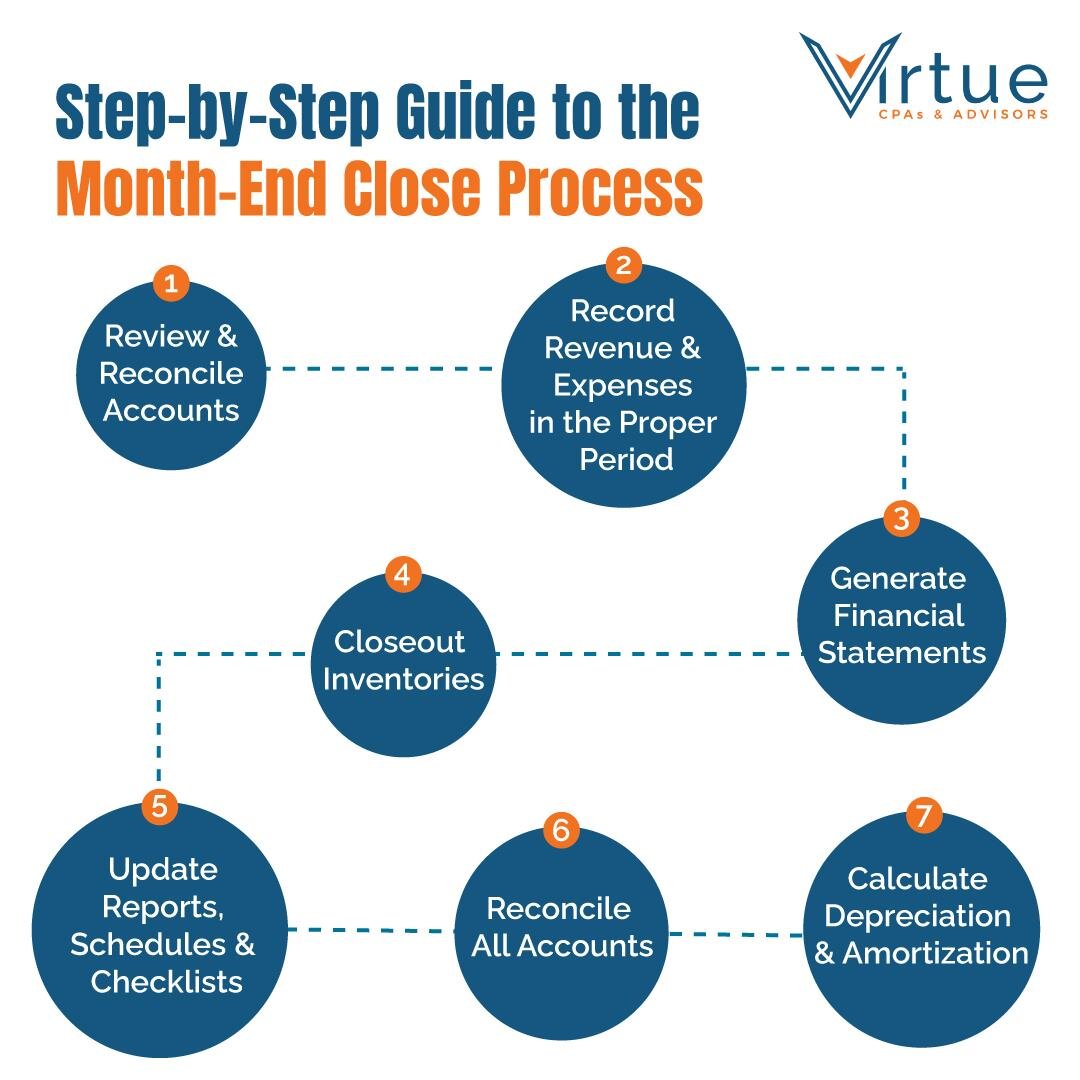
A close script is a documented sequence of tasks, journal entries, reconciliations, reviews and sign‐offs that must happen at the end of the accounting period (typically month-end) in order to “close the books”. Think of it as a procedural play-book for your finance/controlling team.
Why it matters
- Ensures consistency from month to month. Without a script, tasks can be missed, leading to errors or delays. Ledge+1
- Helps drive faster closes; the time to close is a KPI in many organisations. For instance, typical closure timelines are 5-10 days after month-end, but the best teams are faster. Tipalti+1
- Provides transparency for both business (management, ops) and technical (finance systems, controlling) users: you know what’s being done, when, and by whom.
Typical sections of a script
A month-end close script often includes:
- Pre-close activities (e.g., ensure all vendor bills/invoices entered, all revenue recognised, timesheets submitted).
- Close activities (record accruals, prepaid amortisation, depreciation, lease adjustments, FX adjustments, intercompany eliminations).
- Reconciliation tasks (bank, A/P, A/R, fixed assets, inventory, intercompany).
- Review tasks (GL to subledger reconciliation, review of variances, sign-off workflow).
- Post-close tasks (lock period, distribute pack to stakeholders, update dashboards).
Real world scenario
Imagine a SaaS business with global entities. One month many invoices from a regional subsidiary arrived late, and the accruals weren’t posted in time → revenue for that region was under-stated, and the close ran two days late. A robust close script with “check for late invoices by region” as a step would have helped.
2. What are Reconciliation Rules?
Definition
Reconciliation rules are the controls and guidelines you apply when reconciling accounts at month-end, comparing sub-ledgers to the general ledger, bank statements to cash accounts, and internal systems (ERP, billing, payroll) to financial records. The “rules” define how you check, how you escalate exceptions, how you document and resolve variances.
Why they matter
- The integrity of the financial statements depends on reconciliations. If you don’t reconcile, your numbers may be biased, incomplete or incorrect. Numeric
- Helps detect errors, fraud, timing differences. Reconciliations often reveal issues like duplicate entries, missing invoices, mis‐classifications. Solvexia
- Supports audit readiness. Auditors expect clear reconciliation workpapers and a documented rule set. HighRadius
Examples of reconciliation rules
- Bank account: match ledger cash account balance to bank statement, items > 30 days must be investigated as “old reconciling items”.
- A/R ageing: subledger invoice list = GL A/R account balance; any difference > 1% of largest invoice triggers review.
- Fixed assets: depreciation schedule + asset additions/deletions must reconcile to GL fixed asset net book value.
- Intercompany payables/receivables: each entity’s counterparty must net zero across entities; any imbalance must be explained.
- Cut-off rule: any shipments or services crossing the month-end date must have invoice or accrual recorded by close date.
Real world scenario
In a manufacturing business, inventory movements were recorded in the subledger, but the GL inventory account didn’t reflect a write-down of obsolete parts. Because there was no explicit reconciliation rule for “inventory obsolescence write-down must be posted and GL updated by close”, the balance sheet overstated inventory and mis‐stated cost of goods sold. A clear rule would prevent that.
3. Pain-Points for Technical & Business Audiences
Common pain-points
- Delayed data/invoices: Inputs arriving late push the close. Ledge
- Fragmented systems: Multiple ERPs, spreadsheets, manual work mean reconciliation becomes tedious. HighRadius+1
- Manual journal entries: When many entries are manual, risk of error and bottlenecks increases. Ledge
- Lack of standardisation: Without a consistent script or rules, each month becomes “reinventing the wheel”. PKF O’Connor Davies
- Audit / compliance pressures: Increased scrutiny means you need documentation and controls in place, not just “we got the numbers”.
Why business readers care
- They need reliable, timely reports to make decisions: pricing, investment, hiring, expansion.
- They need transparency: if close is late or inaccurate, trust erodes.
- They want cost control: inefficient closes = more staff time, more risk, more expensive.
Why technical (finance/ops) readers care
- They are the ones executing the script and reconciling according to rules.
- They manage the systems, workflows, data pipelines, work-papers.
- They enable automation, continuous close, workflow tools.
- They need to support PeopleOps / business partners with operational context: e.g., cut-off deadlines, accrual policies, system updates.
4. How PeopleOps / FinanceOps Can Help Make It Smooth
Here are actionable recommendations from a PeopleOps / FinanceOps lens:
4.1 Build & document your close-script
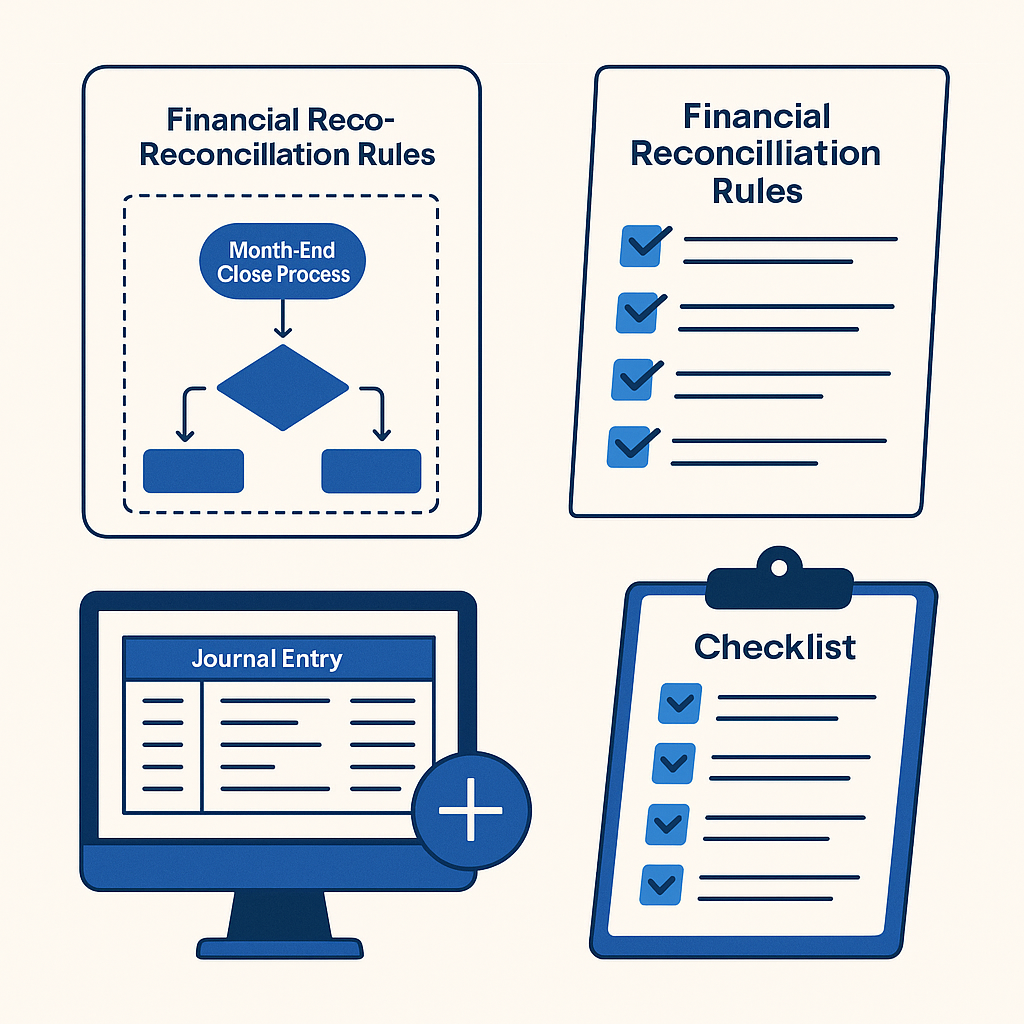
- Create a flowchart of the close process (tasks, owners, dependencies, deadlines).
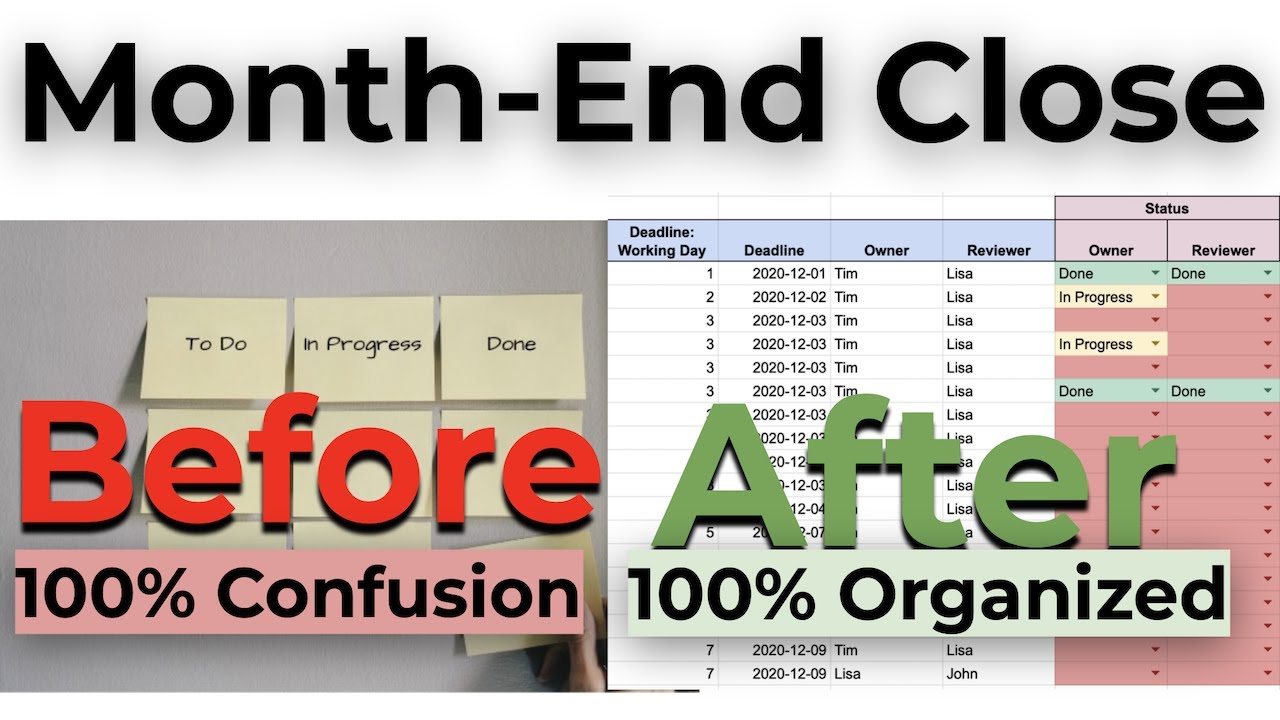
- Use tools like Trello, Asana, or specialised close-management software to assign tasks and track status. Ledge
- Maintain a living document: update for business changes (new entity, new regulation, new system).
- Include clear deadlines: e.g., “All vendor invoices submitted by Day 2 post-period”, “Accrual entries posted by Day 3”, etc.
- Document roles & escalation: who signs off what, who resolves exceptions, who owns the reconciliation.
4.2 Define & enforce reconciliation rules
- Work with finance/controlling to codify rules (as described above).
- Incorporate checklists: for each key account, define the reconciliation methodology, threshold triggers, variance explanation required.
- Ensure reconciliation work-papers are stored, clearly labelled (account, period, difference, explanation).
- Consider automation: bank feeds, matching algorithms, continuous reconciliation so you don’t wait to month-end. Ledge
4.3 Enable data readiness & system harmonization
- Make sure transactional data is captured continuously – late invoices or missing data are root causes of delays.
- Reduce fragmentation: fewer spreadsheets, more integrated ERP/subledgers; standardise chart of accounts across entities if possible.
- Establish pre-close review sessions: e.g., the week before month-end, check for common issues (late POs, open vendor bills, unapproved expenses).
4.4 Develop performance and monitoring metrics
- Track “days to close” (how many working days after period end the close completes) and aim to improve.
- Monitor number of unreconciled items > 30 days, number of adjustments/reentries, number of audit findings.
- Use dashboards showing status of each close task, reconciliation status, blockers.
- Recognise and reward (via PeopleOps) teams or individuals who help reduce bottlenecks.
4.5 Foster collaboration & continuous improvement
- Close is not a function only of finance: ops, procurement, sales, payroll all play a part. Communicate deadlines and expectations across the business.
- After each close, conduct a “post-mortem” review: what took too long? What errors occurred? Update script / rules accordingly.
- Provide training to new team members on the close script and reconciliation rules so knowledge isn’t siloed.
5. Sample Outline for Your Month-End Pack
Here’s a suggested structure for your month-end pack (for presentation/hand-off to management), tailored for both business and technical audiences:
- Executive Summary
- Key results: Revenue, Cost, Gross Margin, Cash Flow, any major variances.
- Close status: Completed on Day X, any major exceptions/unreconciled items.
- Highlight significant entries or changes (e.g., one-time costs, new entity consolidation).
- Close Script & Timeline
- Process flowchart: tasks, owners, deadlines.
- Status summary: completed / in-progress / delayed tasks.
- Exceptions / open items: list with owner & target resolution date.
- Reconciliation Summary
- Top 10 GL accounts or high-risk areas reconcilied.
- For each: showing balance, subledger vs GL difference, reason for variance, resolution status.
- Metrics: number of old reconciling items, number of manual adjustments, reconciliation lead time.
- Key Journal Entries & Adjustments
- Listing of all major month-end journal entries: e.g., accruals, prepayments, depreciation, FX adjustments, etc.
- Explanation of why each entry.
- Impact on financial statements.
- Controls & Compliance Review
- Were all rules followed? (e.g., cut-off, intercompany, asset additions).
- Any deviations? If yes, why and how resolved.
- Audit readiness status: supporting work-papers, documentation completeness.
- Business Insight & Next Steps
- Variance analysis: e.g., why did cost of goods sold increase by X%?
- Implications for next month/quarter.
- Recommendations: e.g., reduce vendor invoice lag, automate transaction matching.
- Appendix
- Detailed checklists, close script checklist, reconciliation rules documentation, work-papers index.
6. Common Pitfalls & How to Avoid Them
| Pitfall | Impact | Mitigation |
|---|---|---|
| Late submission of data (invoices, payroll) | Delayed close, incomplete numbers | Pre-close checklist, early deadlines, vendor/ops reminders |
| Manual heavy processes | Higher error risk, slower turnaround | Automate transaction matching, bank feeds, recurring entries |
| Lack of standardisation | Every month different, risk of missing steps | Maintain and enforce close script, reconciliation rules |
| Poor ownership/role clarity | Tasks get “forgotten”, bottlenecks | Clear task owners in script, task tracking tool |
| No review of “why” variances | Same issues repeat | Post-mortem review, continuous improvement |
7. Why Your PeopleOps / Finance Ops Team Should Care
- Team workload & morale: Streamlined close reduces the “late nights” and crunch that drains staff morale.
- Talent & skills: Training for the close script, reconciliation rules, documentation supports career development in finance ops.
- Business partnership: The Ops team is the bridge between finance, IT systems, and business functions, enabling the smooth close process fosters trust.
- Strategic focus: When the mechanics of the close are under control, the team can shift from reactive tasks (fixing errors) to proactive insight (analysis, forecasting).
Conclusion
For a Controller looking to deliver robust, timely, and reliable financial information, your month-end pack built around a well-crafted close script and firm reconciliation rules is non-negotiable. It is the backbone of financial control and business insight.
By documenting the process clearly, enforcing discovery and correction of variances, automating where possible, and partnering across business/tech functions (including PeopleOps and Finance Ops), organisations can transform the monthly close from a drain into a strategic enabler.
Leave a Reply