

Introduction
In today’s fast-paced business environment, companies need real-time visibility into the profitability of every job or project. For organisations that deliver services, manage client jobs, or run internal initiatives, traditional monthly or quarterly reporting is often too slow, by the time cost data is exported, reconciled, and analysed, the opportunity to act has passed.
In this blog we’ll explore:
- What job profitability means and why it matters.
- The pain points of manual cost roll-ups and delayed reporting.
- How modern People & Ops teams can enable real-time cost aggregation and visibility.
- Real-world scenario(s) showing how this works in practice.
- How a PeopleOps platform (like yours) can help solve the problem.
Let’s dive in.
What is Job Profitability?
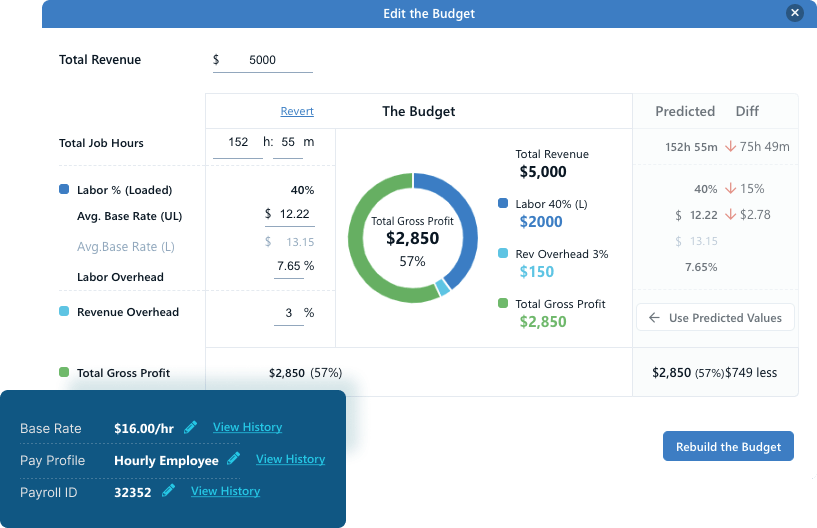
Job profitability is the process of measuring the actual cost of delivering a job (project, service engagement, internal initiative) versus the revenue or value that job brings and then assessing margin, over-/under-performance, and future risk.
Key components of job costing:
- Direct costs: labour hours, subcontractor costs, materials, travel associated with a specific job. accountingdepartment.com+1
- Indirect/overhead costs: shared services, equipment depreciation, administrative costs allocated across jobs. accountingdepartment.com
- Revenue or billings: what the job is expected to bring or what has been invoiced.
- Margin measurement: revenue minus all costs leads to profit (or loss) for that job.
When you can collapse these into a live dashboard (rather than waiting weeks for data), you gain agility: you can stop unprofitable jobs, price future work more accurately, and manage resource allocation proactively.
Why Real-Time Profitability Matters for PeopleOps
For PeopleOps, Workforce Management and Operating Margin improvement, the case is strong:
- Labour is often the largest expense in service-oriented businesses, visibility into labour cost by job is critical. tntmanagement.com+1
- Overruns happen when time tracking, cost allocations or resource shifts are delayed, real-time data prevents that.
- Strategic HR and PeopleOps functions are shifting from admin to business-value drivers (see white-papers about HR improving operating margins). ProHance+1
- When you can see job profitability as it evolves, you can link PeopleOps decisions (staffing, role assignments, skill investments) directly to business outcomes.
The Pain of Manual Cost Roll-Up & Exporting
Many organisations still rely on spreadsheets, nightly exports, or weekly batch reports to roll up costs. Here are the specific pain points:
1. Time lag = decision lag
By the time cost data is exported, cleansed, and aggregated, you might be weeks into a job, meaning overruns, inefficiencies, or unprofitable work go undetected.
2. Data fragmentation
Costs may reside in multiple systems: time-tracking, payroll, project management, travel/expense systems. Threading them together manually is error-prone.
As one source highlights:
“The biggest issue is computing job costs based on bad information… a business that uses a manual time tracking system or manual job costing system may have dozens of job-costing errors.” blog.unomaha.edu
3. Mis-allocation & mis-pricing
When indirect costs are incorrectly allocated or labour hours under-reported, the margin picture is distorted, potentially leading to under-pricing future work.
4. Operational drag on PeopleOps
PeopleOps/Finance teams spend their time preparing exports, reconciling systems, chasing missing data, rather than analysing insights or influencing strategy.
5. Lack of insight for project/ops teams
Without realtime dashboards, project leads or business unit heads don’t know cost performance until after the fact, reactive rather than proactive.
How to Roll Up Costs in Real Time: A Framework
Here’s how to shift from delayed, manual cost roll-up to real-time visibility of job profitability.
Step 1: Data Integration
- Connect time-tracking (e.g., hours by job), payroll, expense, travel, subcontractor / vendor systems into a unified data layer.
- Automate data ingestion (via APIs, connectors) so data flows continuously.
- Ensure each cost entry includes a job-identifier (project/job code) for assignment.
Step 2: Cost Allocation Logic
- Direct costs: assign immediately to the job recorded.
- Indirect/overhead costs: define allocation bases (e.g., direct labour hours, job revenue) and apply them automatically in the system. (This aligns with typical job-costing best-practices.) accountingdepartment.com+1
- Update the cost model regularly to reflect current overhead rates.
Step 3: Real-Time Dashboard & Alerts
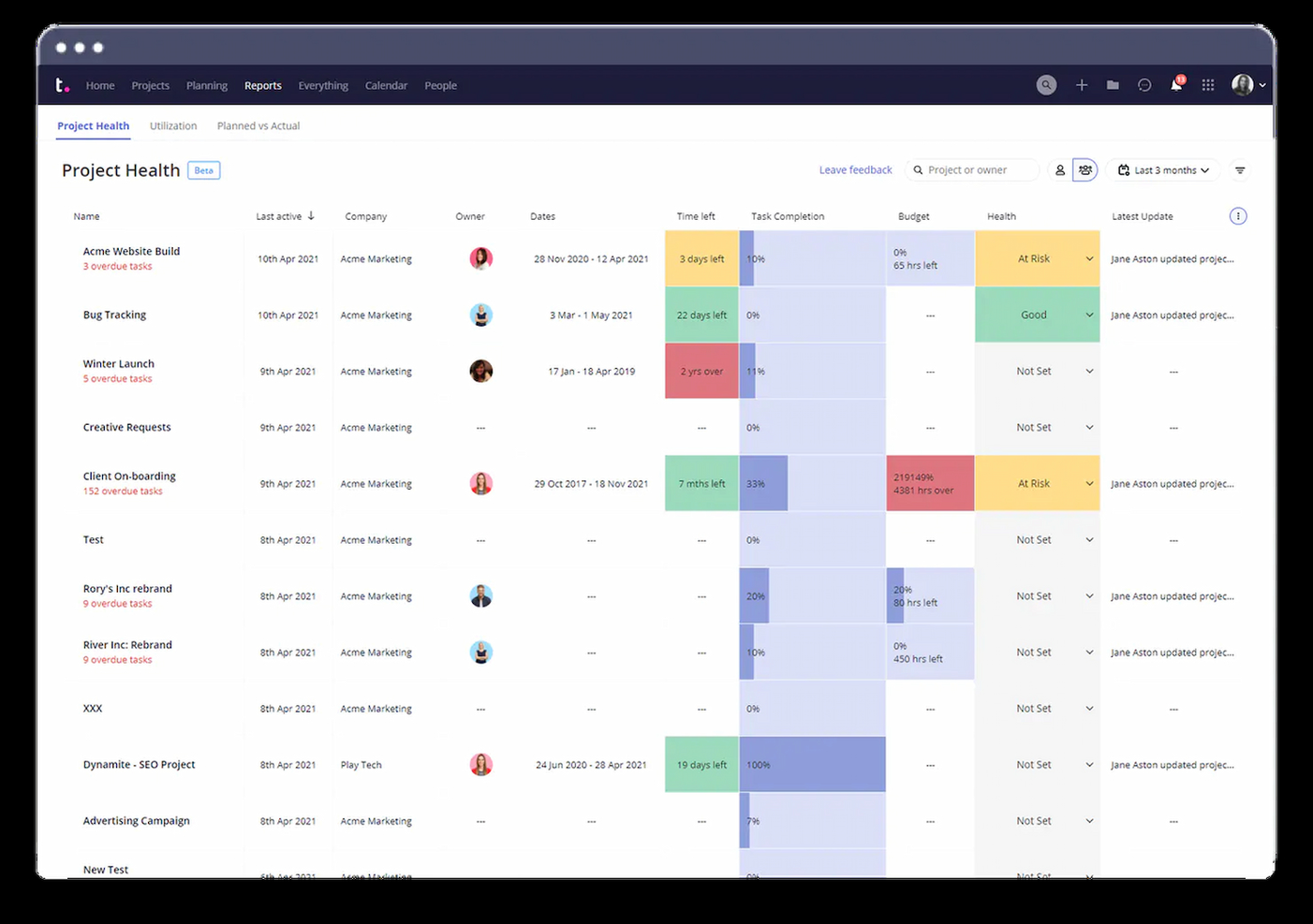
- Build dashboards showing for each job: estimated revenue, committed costs, actual costs, margin to-date, projected margin at completion.
- Set alerts when actual costs surpass a threshold (say 80% of estimate) or margin dips below a trigger.
- Allow drill-down: by cost type (labour, travel, overhead), by resource, by phase of job.
Step 4: Business & PeopleOps Action Loop
- Project leads, PeopleOps/Finance get alerted and investigate triggers: Is the resource productivity off? Is there unplanned overtime? Did indirect costs spike?
- PeopleOps can intervene: re-allocate resources, revise job scope, renegotiate subcontractor cost, or escalate to leadership.
- Feedback into pricing and estimating process: use actual cost data to refine future estimates, improve bidding accuracy.
Step 5: Continuous Improvement
- Over time track estimated vs actual across jobs, identify cost-drivers, resource inefficiencies, consistently unprofitable job types.
- Use insights to adjust bidding strategy, resource mix, staff utilisation.
- PeopleOps becomes strategic: linking resource planning, workforce development, and job profitability.
Real-World Scenario
Here’s a scenario that illustrates how this plays out in practice:
Scenario: Digital Consulting Firm “AlphaTech”
- AlphaTech has multiple client engagements (jobs) running simultaneously, each with dedicated teams of consultants.
- Prior state: At month-end, time sheets, travel expenses and subcontractor invoices were exported to spreadsheets, allocated manually to jobs. By the time the costing report was ready, some jobs were already over-budget and losing money.
- They implemented a real-time job-costing solution integrated with their time-tracking, expense system and payroll.
- Now: For Job “Client-X Phase 2”, project manager sees in week 2 that actual labour hours are already 60% of the planned hours for week 4, travel costs are 30% higher than estimate, and overhead allocation has inflated due to a shift to a higher cost pool.
- An alert triggers: PeopleOps & Project lead review, identify that additional consultants were added without budget approval. They re-assign resources, renegotiate travel, and adjust billing with client.
- Outcome: Instead of finishing the job with a 10% margin loss, they close with a 5% margin gain. Plus, future bids for similar jobs are adjusted based on accurate real-time data, improving pricing accuracy and margin expectations.
This scenario demonstrates the shift from reactive to proactive cost control, enabled by real-time visibility.
The Role of PeopleOps & HR Technology
From a PeopleOps perspective, enabling real-time job profitability rolling up costs has multiple implications:
- Workforce utilisation: Real-time job costing highlights which resources are under- or over-utilised, enabling better staffing decisions.
- Skill and role planning: If jobs of a certain type repeatedly show lower margin due to resource mix, PeopleOps can plan targeted skill development or hiring.
- Cost of talent: Time spent by a senior consultant on lower value job can be flagged; you may reassign accordingly to protect margin.
- Automation and analytics: As HR/People functions adopt automation and analytics, they free up time from admin tasks and contribute to profitability. ActivDev+1
- Strategic partner to business: Instead of being purely transactional, PeopleOps becomes a bridge between resource planning (people) and business outcomes (profitability).
How PeopleOps Solutions Can Help
If you’re running a PeopleOps or workforce platform, you can deliver value in the job-profitability space by offering features such as:
- Automated connectors and data pipelines: Pull in time-tracking, expense, payroll and job systems without manual exports.
- Unified cost-allocation engine: Let users define allocation rules for indirect costs and apply them dynamically.
- Real-time dashboards and alerting: Jobs, resources, costs, revenue, margin visible live.
- Drill-down and root-cause analysis: By job, resource, cost category, phase.
- Integrations into PeopleOps workflows: When alerts fire, trigger actions (e.g., resource reassignment, skill-upgrade, billing review) integrated into PeopleOps tools.
- Historical analytics & feedback loop: Provide insights for future job estimating, resource planning, role development.
- User-friendly for business and HR/Finance stakeholders: So both technical and business readers (project leads, HR, finance) get value.
By embedding these capabilities, PeopleOps moves from cost-centre to margin optimiser.
Key Benefits to Organisations
By rolling up costs in real time and monitoring job profitability, organisations can realise the following benefits:
- Faster detection of cost overruns or margin erosion.
- Improved pricing and bidding accuracy for future jobs (because estimates are grounded in real-data).
- Better resource utilisation and staffing decisions, ensure correct roles, avoid over-staffing or costly overruns.
- Stronger strategic alignment: People operations decisions directly tied to profitability, enabling PeopleOps to deliver business value.
- Reduced manual work, fewer spreadsheet exports, less time spent by PeopleOps/Finance on data aggregation and more time on insights.
Challenges & Considerations
Implementing real-time job profitability roll-ups is not without its challenges:
- Data quality and governance: Pulling data from multiple systems, ensuring job codes, timesheets, expense categories are standardised. Poor data means flawed insights.
- Change management: People must shift from spreadsheets and manual exports to trusting real-time dashboards.
- Cost-allocation methodology: Indirect cost allocation can be contentious; you need transparent rules and alignment between Finance, PeopleOps and business units.
- Technology capability: Legacy systems may not support APIs or real-time data feeds; integration may need work.
- User adoption: Project leads, HR, and finance stakeholders must be comfortable with new workflows and dashboards.
Despite these hurdles, the payoff is significant, once you’ve enabled real-time visibility, you gain faster decision-making and stronger margin control.
Take-Away & Call to Action
For PeopleOps professionals, it’s time to stop treating cost aggregation and job profitability as a monthly finance exercise. Instead:
- Shift your thinking to real-time, proactive cost visibility.
- Partner with project-leads, finance and business ops to define job-costing frameworks.
- Select or enable technology that automates data ingestion, allocation and dashboards, eliminating manual exports.
- Use job profitability insights to influence PeopleOps decisions: resource planning, skills investment, role assignment.
- Position PeopleOps as a strategic value-creator: you’re not just managing people, you’re driving profitability.
Leave a Reply