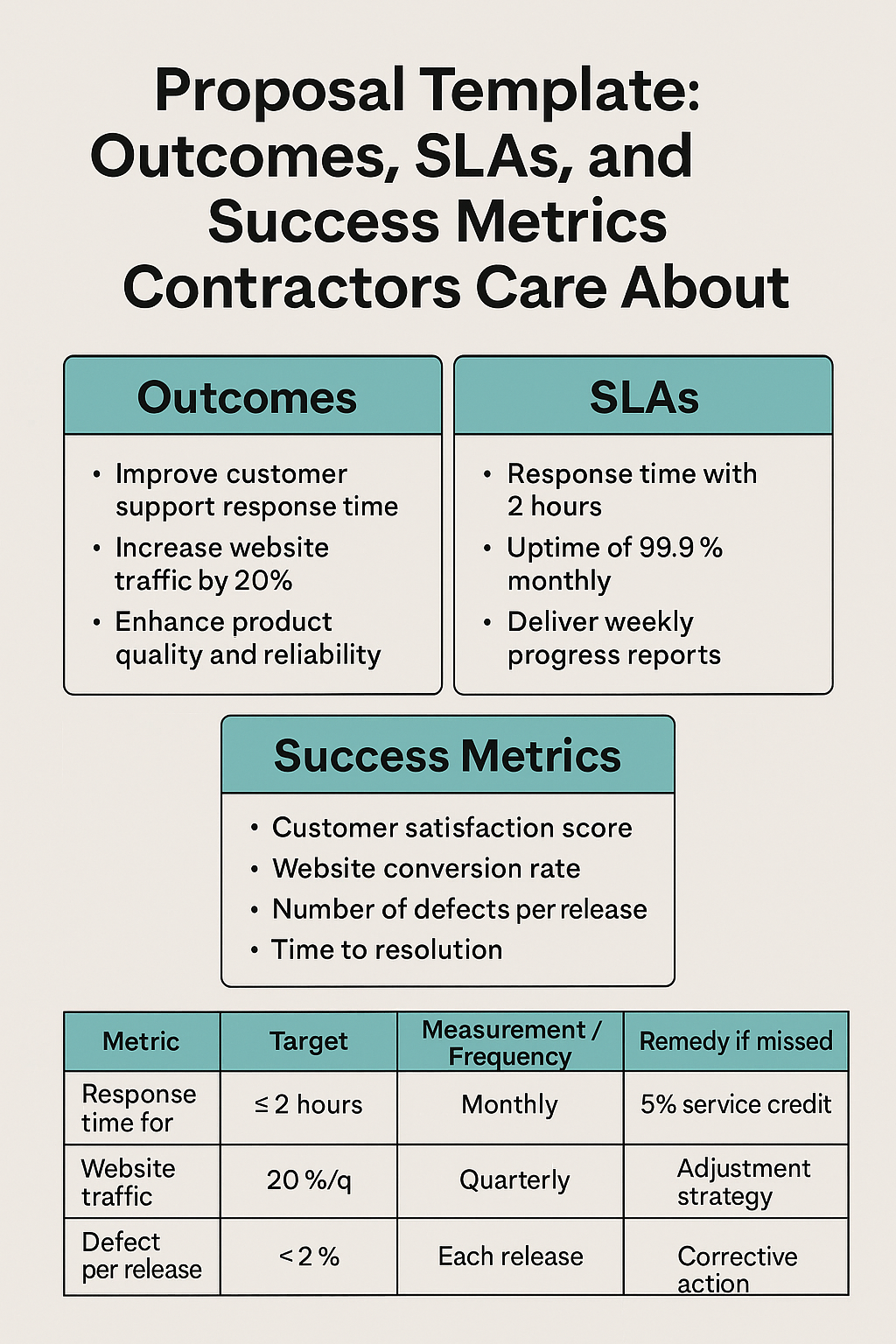


When your PeopleOps or vendor-management team drafts a proposal for a contractor engagement, the quality of the proposal often determines whether you attract the right contractor and whether both you and the contractor feel confident that the work can succeed.
In this blog we’ll cover:
- What outcomes, SLAs (Service Level Agreements) and success metrics mean in a contractor proposal
- Why they matter (for both you and the contractor)
- How to structure them in a proposal template
- Real-world pains & scenarios when they go wrong
- How a PeopleOps approach (smart, clear, aligned) helps fix or avoid issues
Why outcomes, SLAs & success metrics matter
The contractor’s (“supplier”) viewpoint
From the contractor’s perspective, a proposal that clearly spells out expectations gives them:
- Clear targets they must hit (so no hidden surprises)
- A way to assess whether the work is feasible (and profitable)
- A sense of how performance will be judged (so they can resource appropriately)
- A protection against ambiguous commitments
The client/business viewpoint
From your PeopleOps/Procurement side:
- You want to ensure you get the value you pay for
- You want to hold the contractor accountable without being adversarial
- You want transparency: “What will success look like?” “When will we know?”
- You want to avoid disputes, scope creep or mis-alignment
The contract layer: SLAs & metrics
SLAs and success metrics turn general promises into measurable, enforceable commitments. For example:
- “We’ll deliver a monthly report” → fine, but when? What quality?
- “We’ll respond within 4 hours” → measurable, enforceable.
Recent guidance emphasises that SLA metrics must be fair, measurable, within the contractor’s control, and benchmarked. blog.termscout.com+2Splunk+2
“Service level agreement metrics define the measurable promises a vendor makes, such as uptime percentages, response times, and issue resolution windows.” blog.termscout.com
Good contractor proposals integrate outcomes + SLAs + success metrics seamlessly.
Common pain-points in contractor proposals
Before jumping into the template, let’s look at what often goes wrong.
Pain point 1: Vague “deliverables” but no outcomes
Example: “Contractor will provide weekly status updates.”
Missing: What is the status update meant to achieve? What is the expected quality? How will you evaluate whether it’s useful?
Pain point 2: SLAs are too generic or boilerplate
Example: “We will maintain high service levels.”
Problem: No measurable numbers (what is “high”?), no clarity on penalties or review process. According to best practices, SLAs must include clearly defined metrics, targets and remedies. BMC Helix Blogs+1
Pain point 3: Metrics that aren’t aligned to business outcomes
Example: The contractor measures “number of tickets closed,” but the business cares about “customer satisfaction” or “system uptime”. If metrics don’t reflect what matters to the business, they won’t drive the right behaviour.
Pain point 4: No review & feedback loop
Often the contractor proposal lacks a mechanism for periodic review, adjustment, or “what happens if we fall short”. As one government-procurement doc warns: “Avoid boilerplate; tailor contract SLA metrics to fit the contract type and needs of the investment.” archives.obm.ohio.gov
What a good proposal template should include
Here’s a breakdown of key sections and what to cover. Feel free to adapt to your PeopleOps context (e.g., staff-augmentation, managed services, project-based work).
1. Executive Summary
- Brief description of the work, scope, desired outcomes
- Why this contractor engagement matters (business value)
- High-level summary of how success will be measured
2. Scope of Work & Outcomes
- Define deliverables (what the contractor will produce)
- Define outcomes (what the business will achieve)
- Example: “Reduce time-to-fill for critical roles by 30% within 6 months”
- Define boundaries: what is not included
Image placeholder


3. Service Level Agreements (SLAs)
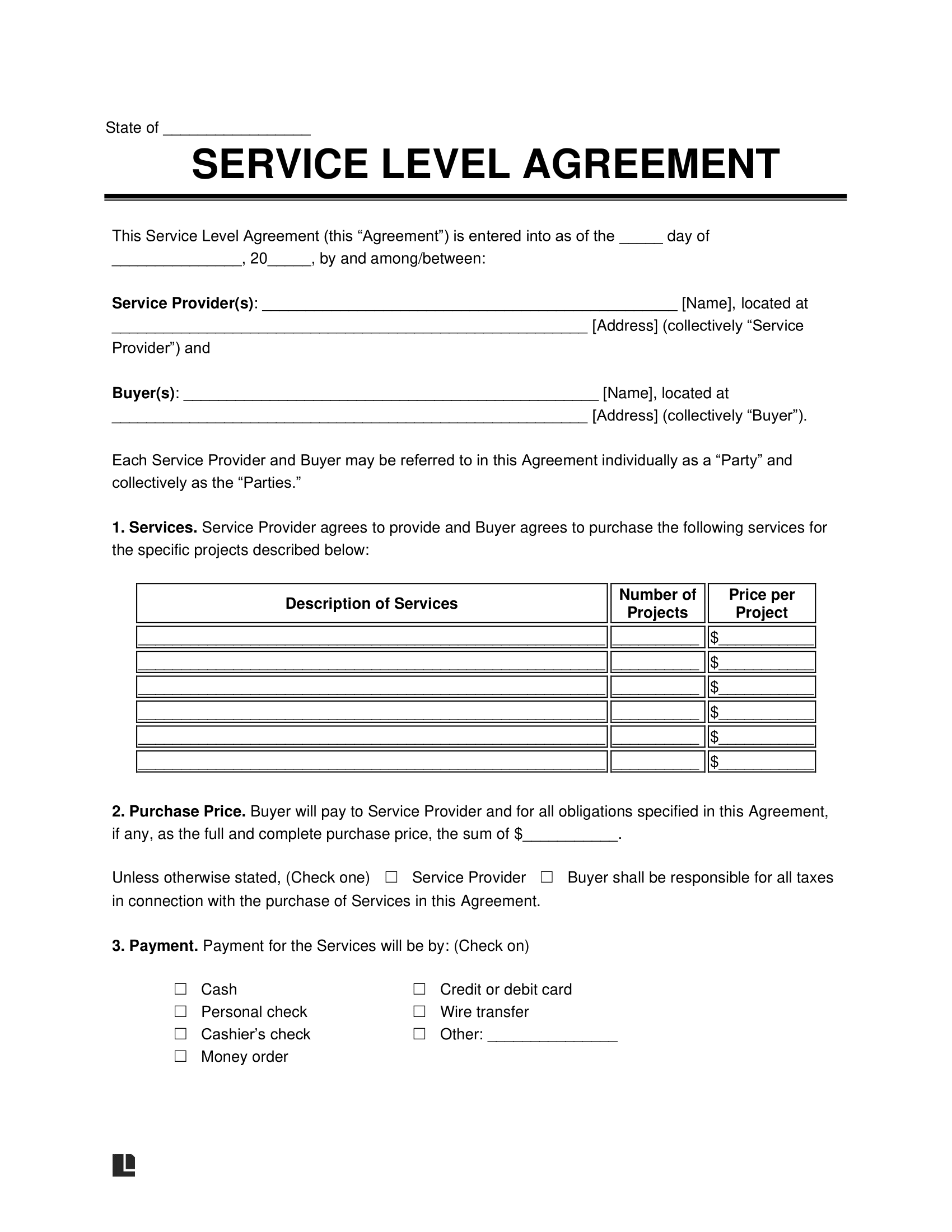
This section sets performance expectations. Key components:
- Definition of services/activities covered
- Performance metrics & targets (SLIs/SLOs)
- E.g., “First response time: within 2 business hours for high-priority issue”
- Monitoring & reporting mechanism
- Remedies / service credits / escalation paths
For example, a modern SLA template lists availability/uptime %, response time, resolution time, reliability and customer satisfaction as metrics. GetTerms+1
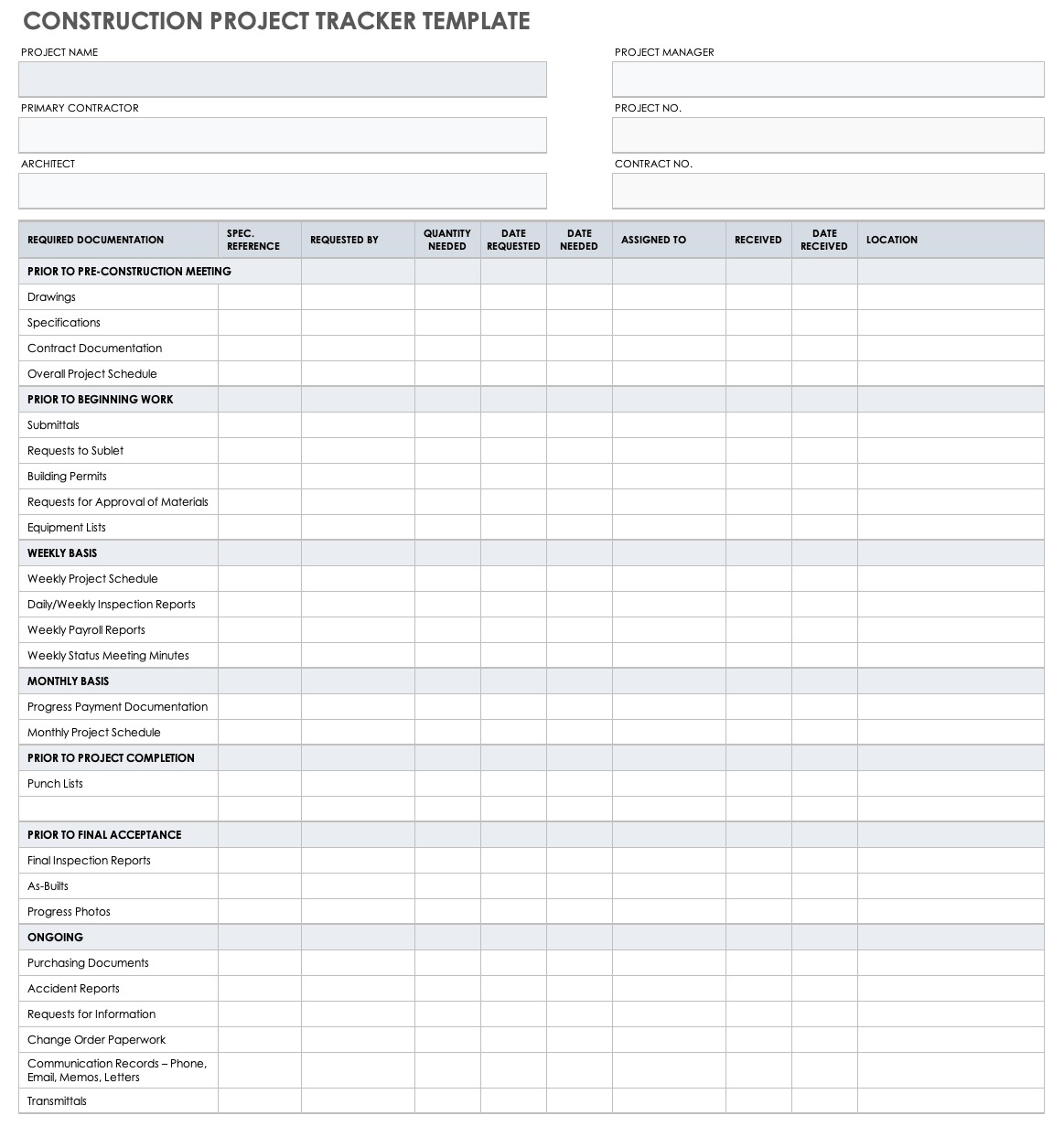
4. Success Metrics / Key Performance Indicators (KPIs)
These are the metrics that show whether the business outcome was achieved (not just whether tasks were done). Some to consider:
- Win rate, volume of proposals (if relevant) blogs.dimensionless.ai
- Cost per unit (e.g., cost per hire, cost per deliverable)
- Time-to-value (how quickly results are delivered)
- Quality metrics (error rate, re-work, satisfaction)
- Stakeholder satisfaction / business impact
It’s important to distinguish between output metrics (things produced) and outcome metrics (impact on business).
Image placeholder
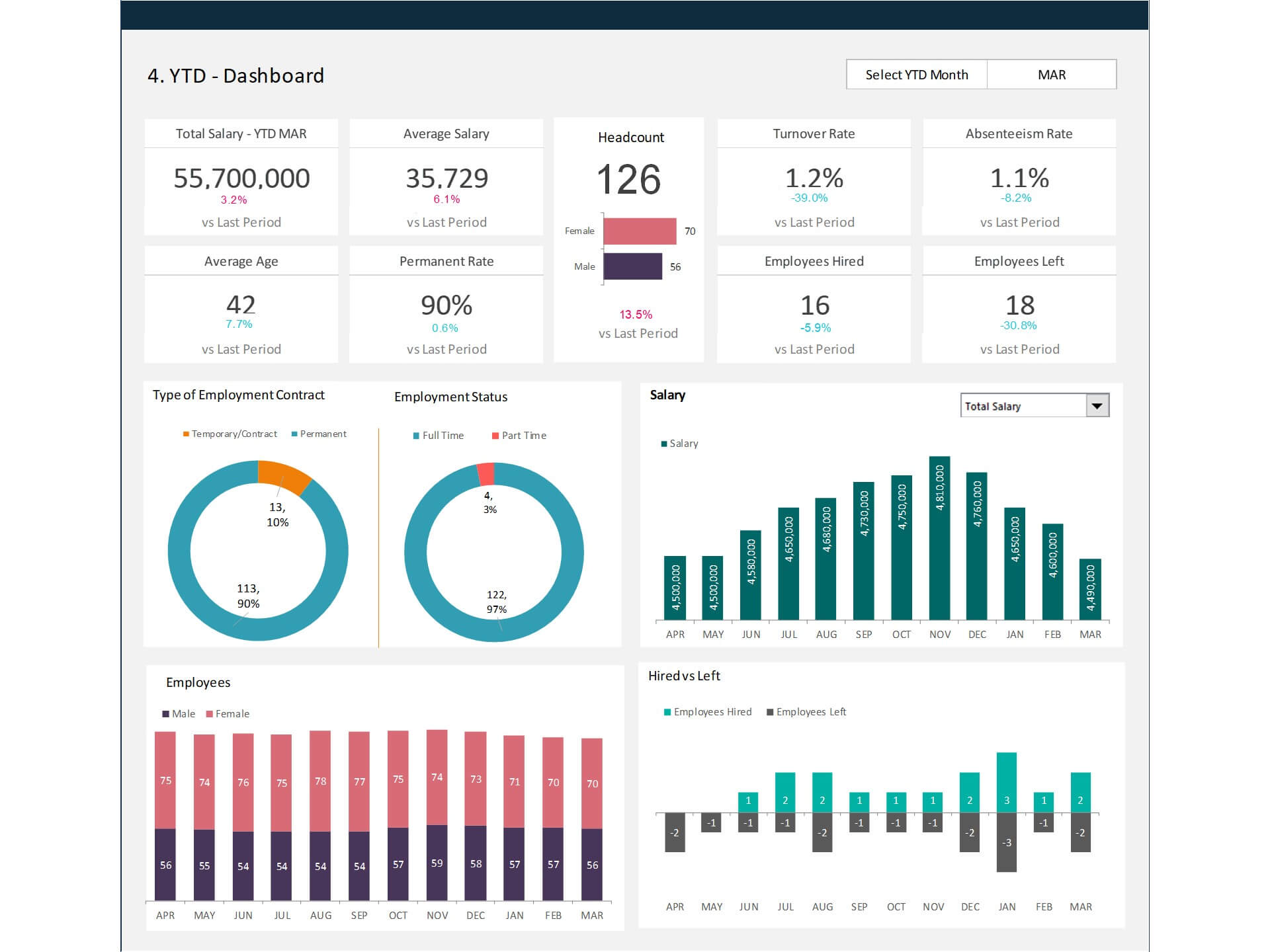

5. Governance, Review & Continuous Improvement
- How often will performance/metrics be reviewed (monthly, quarterly)?
- Who will review (client-side, contractor side)?
- What happens if supplier under-performs (corrective action plan, penalty, termination)?
- Opportunity for continuous improvement: e.g., “We will review the metrics quarterly and agree any adjustments if business priorities change.”
6. Roles & Responsibilities
- Client (you) responsibilities: e.g., provide access, data, decision-making, stakeholder alignment
- Contractor responsibilities: execution, reporting, escalation, resource allocation
- Shared responsibilities: e.g., change management, communication
7. Pricing & Incentives (optional but powerful)
- Pricing tied to outcomes or SLAs (you may peg part of payment to meeting certain success thresholds)
- Incentives for over-achievement, penalties or service credits for under-performance (see best-practice guidance). archives.obm.ohio.gov
8. Term, Termination & Change Management
- Contract start and end date
- Notice period for termination
- Process for scope changes and how outcomes/metrics will adjust accordingly
9. Signature & Approvals
- Formal acceptance by both parties
- Version history
Example snippet: SLA & Success Metric table
| Metric | Target | Measurement / Frequency | Remedy if missed |
|---|---|---|---|
| First response time for “urgent” issues | ≤ 2 business hours | Tracked via ticketing system, reported monthly | Service credit equal to 5% of that month’s fee |
| Deliverable “monthly performance report” | Delivered by 5th of following month, < 2 errors | Quality review / peer check, reported monthly | Correct-and-resubmit within 5 business days |
| Outcome: Time-to-fill critical roles | Reduce from 45 → 30 days within 6 months | HRIS / ATS data, reviewed quarterly | Bonus withheld if target not met |
Real-world scenario
Let’s illustrate with a scenario:
Scenario: Your company engages a staffing contractor to fill 50 “level-2 engineer” roles across APAC in 12 months.
- You include in the proposal: deliverables (= candidate pipeline, shortlist, onboarding support), outcomes (= time-to-fill <35 days, quality > 90% retention at 6 months)
- SLAs: e.g., candidate submission within 10 business days of requisition, rejection/de-selection feedback within 24 hours
- Success metrics: cost per hire, time to fill, retention at 6 & 12 months, hiring manager satisfaction
- Review cadence: monthly scorecard, quarterly review for outcome-metrics, contract renewal decision at 9 months
If your proposal instead only said “deliver 50 hires in 12 months” without metrics, you risk:
- Contractor focussing on volume rather than quality
- Your team unsure how progress is measured
- Disputes about what “success” means
By embedding outcomes + SLAs + KPIs you create alignment and transparency.
How PeopleOps can help
As a PeopleOps function, you play a vital role in bridging between business goals and vendor/contractor management. Here’s how you can lead:
- Facilitate co-creation of the proposal with both business stakeholders and vendor/contractor early, so outcomes are realistic and aligned
- Use a standard proposal template (with sections above) to streamline and reduce risk of omission
- Ensure SLAs and KPIs are set for what matters (not just what’s easy to measure)
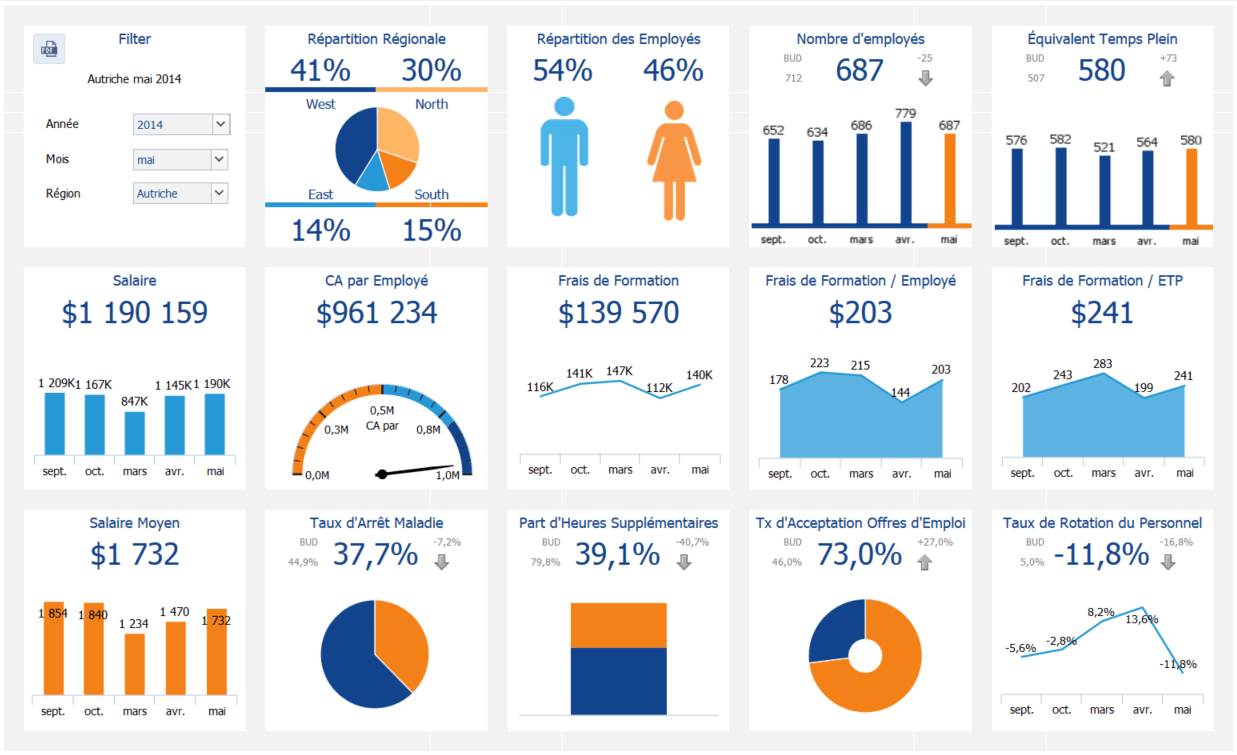
- Build monitoring dashboards or scorecards, so you see performance in real time
- Include governance mechanisms: regular reviews, feedback loops, adjustments if priorities change
- Negotiate incentives and remedies reasonably, align vendor incentive to business success, not punitive extremes
- Train your internal stakeholders (hiring managers, finance, legal) so they understand how to use the metrics and review process
Summary
When you draft a proposal template for contractors, don’t stop at “deliver X”. The real power is in defining outcomes, specifying SLAs and establishing success metrics. This approach gives your contractor clarity, gives your business assurance, and gives your PeopleOps team a structure for accountability and continuous improvement.
With a well-structured proposal you turn a “vendor engagement” into a partnership aligned on shared value.
Leave a Reply