


In the construction industry, the month-end close often feels like a race. Reports need to be ready, project costs reconciled, subcontractor invoices chased, and financials locked, all before deadlines loom. For many companies, this “crunch time” is the norm.
But this model is changing. A new approach, the continuous close (sometimes called rolling close or near-real-time close), is gaining traction. Especially in construction finance, it’s proving to be more than a nice idea: it’s becoming a necessary operational upgrade. briq.com+2cfma.org+2
In this article we’ll explore:
- The typical pain points of month-end close in construction
- Why continuous close is a better alternative
- How a construction company can transition from month-end crunch to continuous close
- The role that a PeopleOps or finance-ops partner (or internal team) plays in this evolution
- Real-world scenario(s) to illustrate the change
Let’s dive in.
The Month-End Crunch: What’s Going Wrong
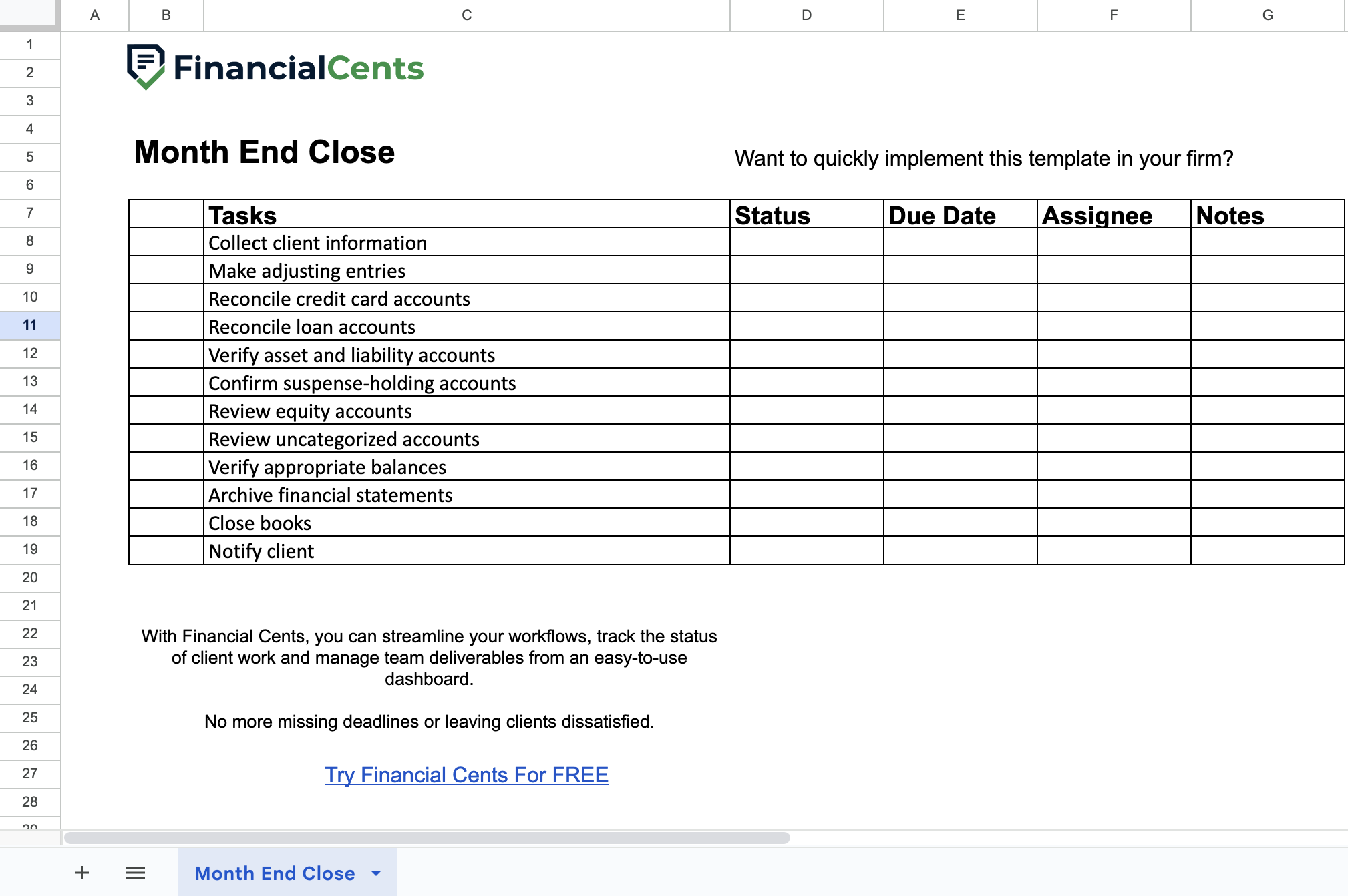
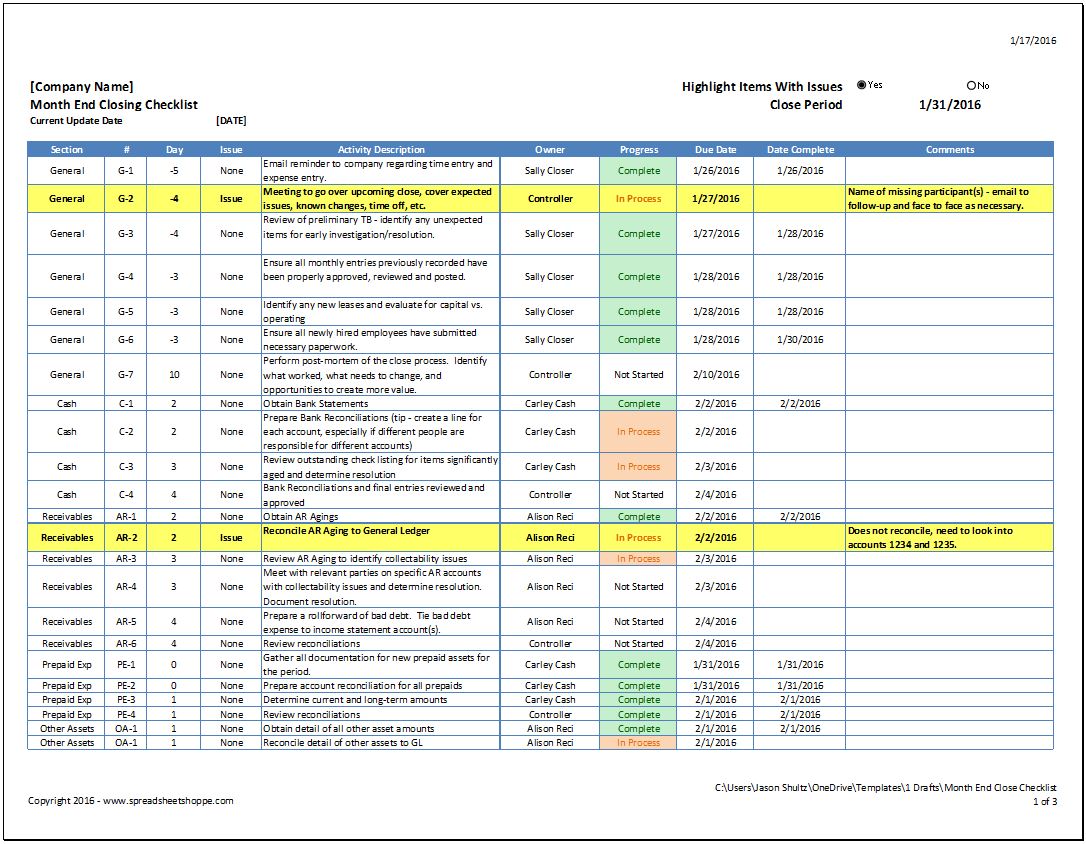
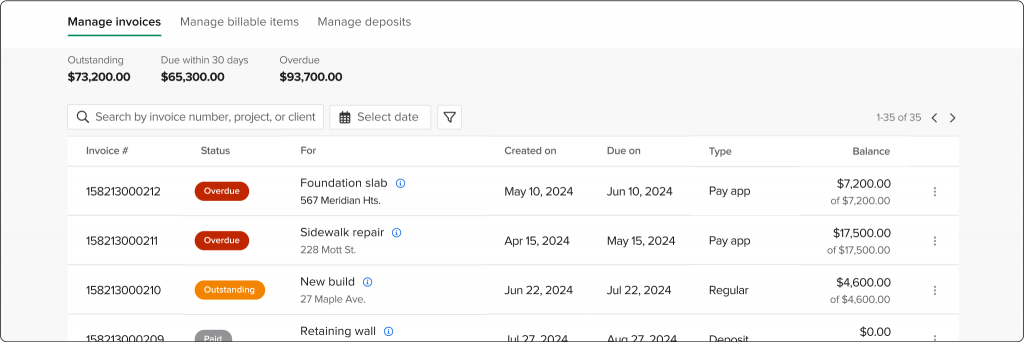
Why month-end is so painful
A number of factors make closing in construction uniquely challenging:
- Project-based accounting: Each job is treated as a separate profit centre, often spanning months or years. Expense tracking, revenue recognition, cost overruns, the complexity adds up. services.lumberfi.com
- Long-term contracts & progress billing: Many construction firms use the percentage-of-completion method (or other long-term contract accounting methods). That means revenue and costs often span multiple periods, making reconciliations tricky. Coast+1
- Decentralised operations: Materials, labour and equipment may be spread across sites. Field data, change-orders, retainage (money held back), all complicate the books. Coast
- Heavy manual work & dependencies: According to finance teams, the top delays during close are manual journal entries, reconciliations, spreadsheets, delayed inputs from other departments. RightRev+1
- Delayed insight: By the time the books are closed, the data may already be stale, limiting strategic decision making. For construction, where things can change daily on site (weather, labour, materials), that delay creates risk. briq.com+1
Real-world pain point (scenario)
Imagine a mid-sized general contractor with 20 active sites. Each site has its own cost codes, subs, materials, equipment rentals. As month-end approaches:
- Site managers send last-minute change orders which must be approved and entered.
- Invoices from multiple subs trickle in late.
- The finance team has to pull data from ERP, job-costing systems, Excel spreadsheets, spreadsheets of timesheets.
- The finance team works long hours, often weekends, to reconcile, adjust and finalise financials.
- Leadership receives the monthly P&L three weeks after the month-end, meaning decisions are made on stale information.
- The cost of close? Burn-out, lost strategic time, risk of errors, late insight.
The cost of this model
- Lost strategic time: The finance team is locked in tactical tasks instead of analysis and forward-looking work. RightRev
- Reduced confidence: Manual processes, late inputs and system lag create doubts about accuracy. RightRev
- Delayed decision-making: If you can only see where you were 30 days ago, you’re behind the story.
- Scaling risk: As project volumes grow, the manual close becomes a bottleneck.
Enter Continuous Close: A Better Way


What is a continuous close?
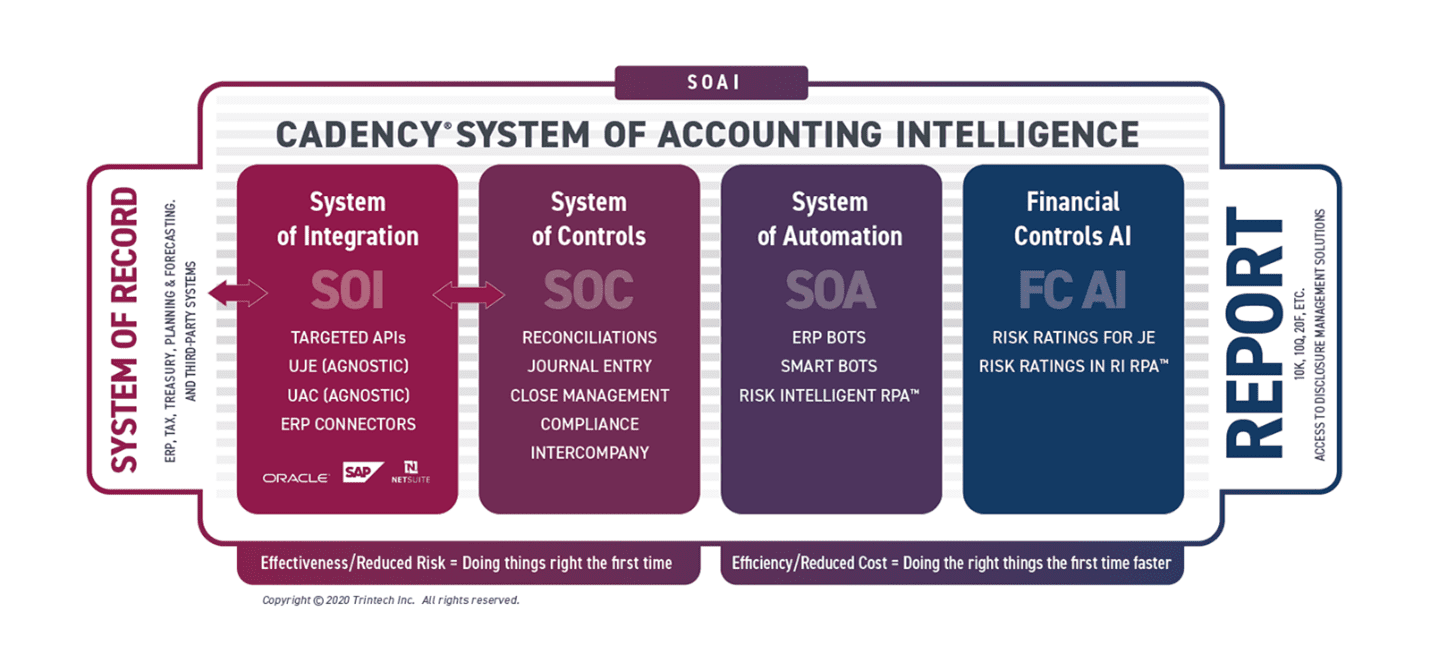
A continuous close means distributing or automating the tasks traditionally deferred to month-end so that the finance books are maintained in a near-real-time state. Rather than a sprint at “day 30”, you build your books up continuously during the month. Numeric+1
Key characteristics:
- Activities such as journals, reconciliations, accruals, matching are done throughout the period rather than batched at the end. Numeric+1
- Automation, system integration and continuous data flows are essential. cfma.org+1
- By month-end, the remaining work is minimal, analytics and decision-support rather than grinding transactions.
Why it matters in construction
- Visibility: You can get project profitability, cost-overrun alerts, cash-flow issues sooner. briq.com
- Strategic focus: The finance team is freed from firefighting and can instead support business strategy (which jobs to bid on, where to allocate resources).
- Risk reduction: With more timely books, fewer surprises, fewer dependencies piling up at month-end.
- Operational agility: Construction sites evolve quickly, continuous close lets you react faster.
Benefits, backed by data for construction
From sources:
- Accuracy & real-time data: “From eliminating human error … continuous close makes sure what you are seeing in reports is current, up-to-date, and accurate.” briq.com
- Time savings: “Instead of accounting teams spending days and days on reporting … technology … allows them to focus on putting it to good use.” briq.com
- Enhanced visibility and faster decisions: Same article.
- In another construction-focused article: “By reducing or eliminating time-consuming, manual processes, a continuous close frees finance teams to devote more time to strategic finance, not tactical.” cfma.org
How To Get From Crunch to Continuous Close


Making the shift takes planning, technology, process change and culture. Here’s a roadmap:
1. Diagnose current state & identify pain points
- Map out your current close process: what tasks are done when, who owns them, what delays happen.
- Identify the bottlenecks: Late invoices? Manual data transfers? Field data lag? System integrations missing?
- Use the month-end maturity model (ad hoc → documented → automated → proactive) as a framework. Numeric
2. Define your target state
- What does “continuous close” mean for your company? It may not be zero-day close yet, maybe you aim for most tasks done before month-end, with finalisation within 1-2 days.
- For construction: near-real-time job cost versus budget, accruals processed weekly, vendor costs matched ASAP, site cost capture daily or weekly.
3. Technology & integration
- Ensure your ERP, job-costing system, field data capture, sub-contractor invoicing, and accounting system are integrated (or can be automated). Construction finance frequently suffers from siloed systems. briq.com+1
- Automate repetitive tasks: journal entries, accrual reversals, reconciliations, matching of invoices to cost codes, expense capture. cfma.org+1
- Enable real-time dashboards / financial insights so management sees data continuously, not after close.
4. Process redesign and frequency
- Move from end-of-month batching to regular cadence: daily, weekly, or bi-weekly close tasks. For example:
- Weekly: Accruals, prepayments, vendor invoice matching
- Daily/As-incurred: Field cost capture, equipment hours, subcontractor cost codes
- Create standardised checklists and schedule deadlines for project managers, site teams, finance staff. Escalon+1
- Assign accountability: e.g., each site manager must submit change-orders by X day each week; finance enters cost codes by Y day.
5. Change management & team readiness
- Train finance and operations teams: continuous close requires shift in mindset from “we’ll do it at month-end” to “we do it continuously”. Numeric+1
- Communicate clearly to project teams, site managers, subs: timely cost input, invoice submission, change order approvals matter.
- Celebrate early wins: e.g., a weekly reconciliation meeting replaced the month-end scramble.
6. Monitor metrics and improve
- Key metrics: close-cycle time (days), number of adjusting entries after close, error/exception rates, number of manual entries, days until dashboards are available after period end.
- Hold post-close reviews: what held up this cycle? Where did manual work spike? How can next month be better? CBIZ
- Gradually raise the maturity: move from “most tasks done by day 2 after month end” → “books locked same day” → “real-time view”.
7. PeopleOps / FinanceOps role
For a PeopleOps team (or finance operations partner) the opportunity is threefold:
- Enable talent: Ensure your finance team has skills for automation, system integration, data analytics (not just manual entry).
- Change culture: Encourage cross-function collaboration (site/ops/finance) and continuous mindset.
- Support process: Build the frameworks, checklists, training programs, and monitor transition progress.
Real-World Scenario: Contractor “BuildRight Inc.”
Before continuous close
BuildRight ran 25 projects. Each month end: finance team compiled data, site managers sent change orders late, vendor invoices piled up, Excel reconciliation took two full reporting days. The P&L for the month was available only on day 12 post-month. Decisions about bidding for new jobs were made with outdated data.
Transition steps
- BuildRight mapped their process and identified: invoice matching, job-cost entries, and change order delays as top bottlenecks.
- They invested in a construction-specific accounting/ERP module, integrated with field-data capture and mobile invoice upload.
- They moved to weekly accrual entries and daily site cost upload; established deadlines for site managers.
- Finance team trained on automation tools (robotic journal entries, recurring accruals).
- Metrics: close-cycle shortened from 12 days to 4 days within three months. Site cost visibility improved, leading to early flags on cost overruns.
After continuous close
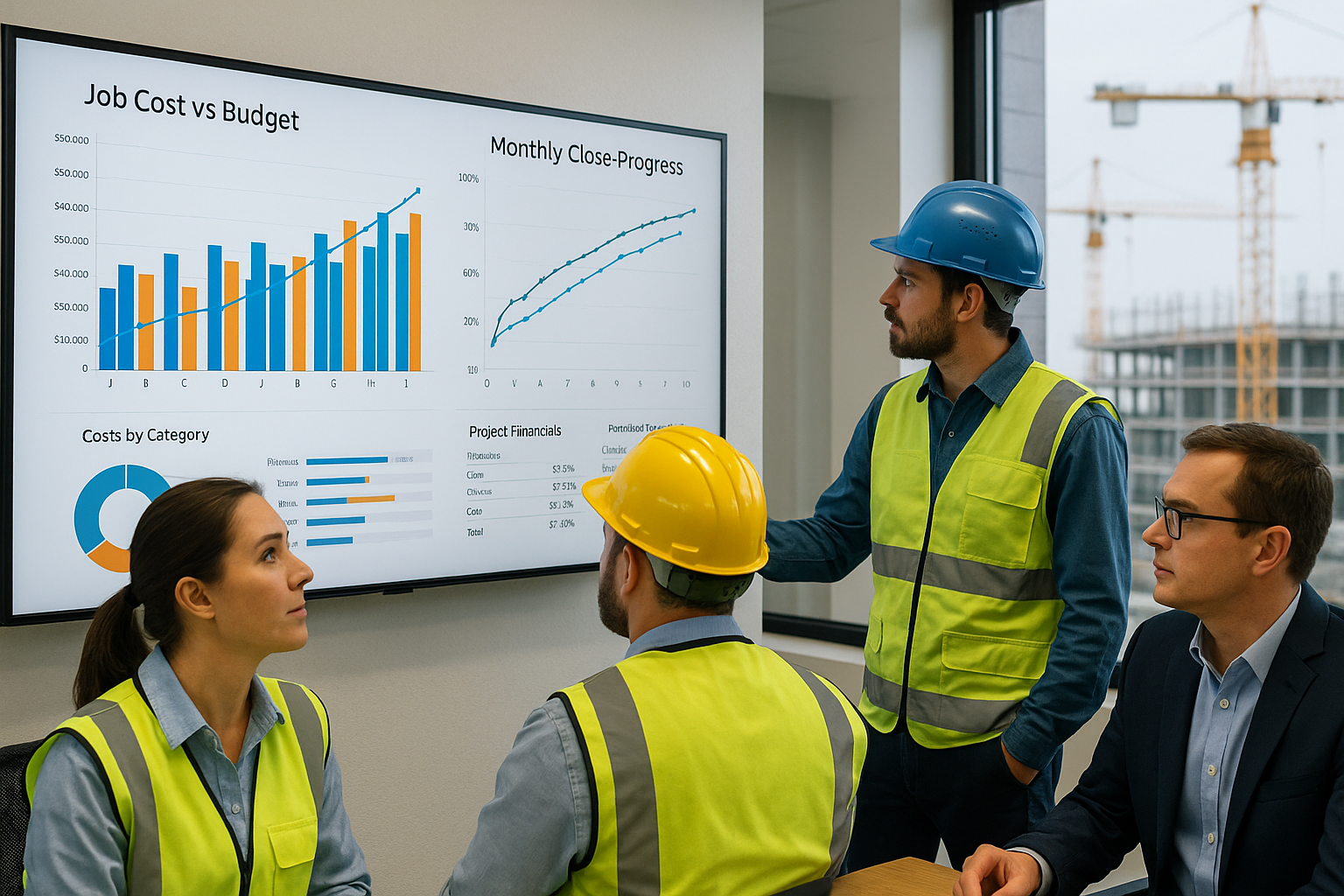
Now, BuildRight has a dashboard showing job cost vs budget for each project in near real-time. Finance spends less time fighting fires and more time analyzing which projects are high-margin, where resources should be allocated, and how the company should bid intelligently. Month-end is no longer a frantic sprint; it’s a standard part of operations.
How PeopleOps Can Help Construction Finance Teams
- Talent strategy: Hire/build hybrid finance-ops roles who understand both accounting and automation/tools.
- Training & development: Upskill teams on continuous accounting methods, automation tools, construction-specific accounting standards.
- Process ownership: Work with cross-functional teams (ops, site management, IT, finance) to map, refine and implement the continuous close process.
- Change management: Lead communications, define roles/responsibilities and ensure adherence to new close calendar and workflows.
- Tools & culture: Promote a “finance in real time” mindset, where cost data, invoices, approvals, job-cost entries flow continuously rather than bunch up.
Challenges & Things to Watch
- Integrations are key — if ERP, job-costing, field data and finance systems don’t talk, continuous close will struggle. briq.com
- Data quality matters — real-time is only as good as the underlying data. Make sure systems capture correct cost codes, approvals and data from the field. Numeric
- Change resistance — people may be used to end-of-month rush. Getting site managers, subs, project controllers to submit timely data is a cultural shift.
- Too much automation too soon can be risky — start with high-friction, repeatable workflows and build momentum. Numeric
- Metrics and oversight — without measurement, you won’t know whether you’re improving or not.
Conclusion
For construction companies, the month-end close doesn’t have to remain a dreaded sprint. By embracing the continuous close model, enabled through automation, better data flows, process redesign and culture change, finance teams can shift from reactive to strategic. They gain better visibility, make faster decisions, support growth and reduce operational risk.
If you’re part of a construction-finance team or a PeopleOps professional supporting such teams, ask yourself: What would it take to make month-end just another day instead of the most stressful week of the month? The answer might well be the continuous close.
Leave a Reply