Introduction
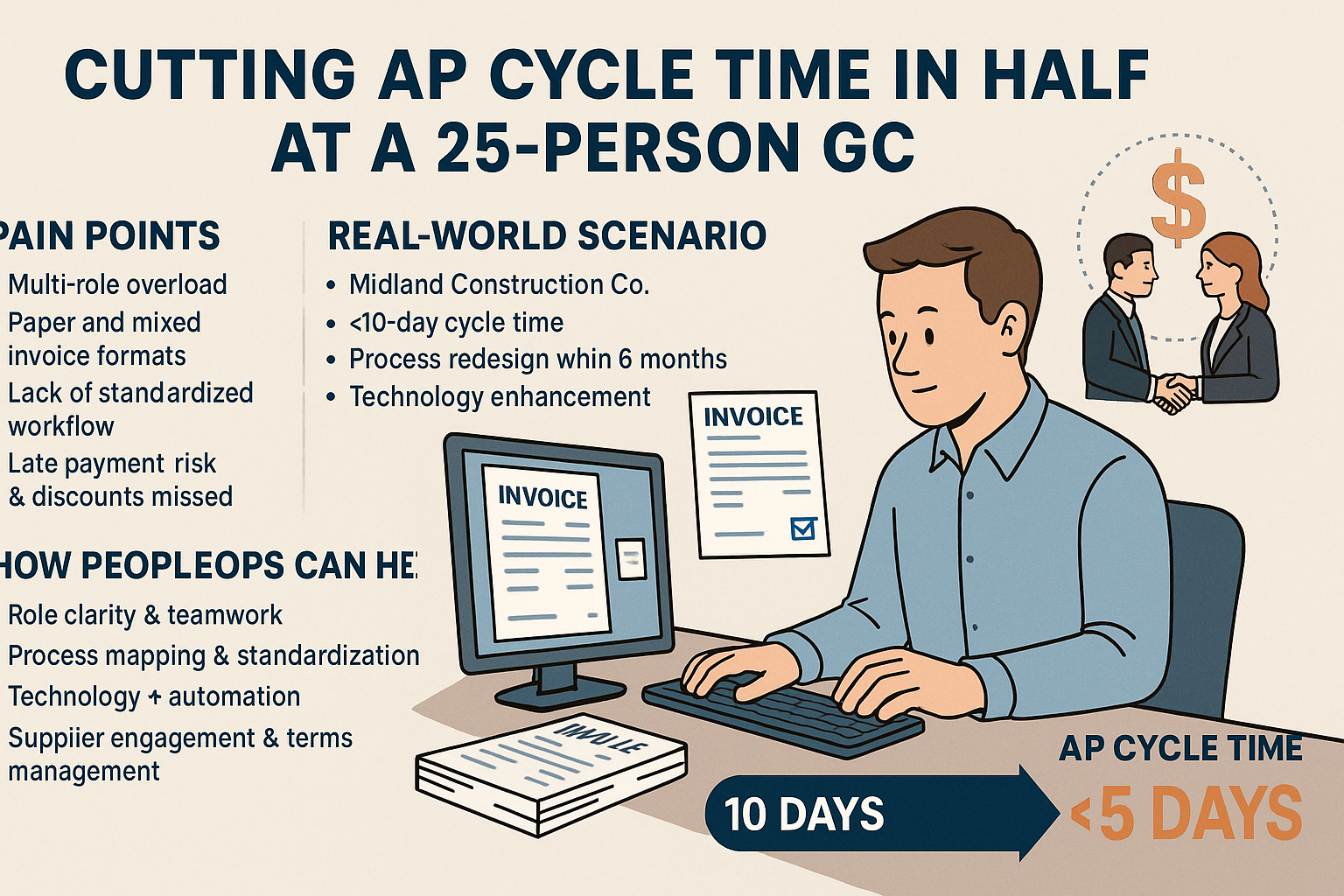
In today’s fast-moving construction industry, a mid-sized general contractor (GC) with about 25 employees can’t afford slow finance operations. One of the most common bottlenecks? The Accounts Payable (AP) process is from invoice receipt to payment. If invoices linger in limbo, cash flow suffers, supplier relationships strain, and inefficiencies stack up.
In this article we’ll explore:
- What we mean by “AP cycle time” and why it matters
- Typical pain points for a 25‐person GC
- A real-world scenario: how a GC cut its AP cycle time in half
- How PeopleOps (in a modern sense of the term) can drive that change
- Key metrics, best practices and take-aways
Let’s get started.


What is AP Cycle Time, and why it matters
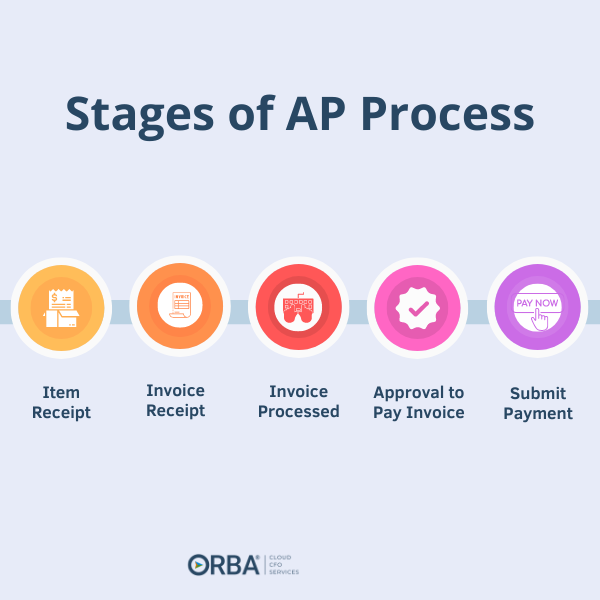
AP cycle time can be defined as the total time from when an invoice is received until the payment is scheduled (or transmitted) to the vendor. AvidXchange+3CFO+3PLANERGY Software+3
It encapsulates all delays (waiting on approvals, matching POs, data entry, routing) plus actual processing time.
Why this metric matters for a GC
- Cash flow & working capital: Faster processing means better visibility of outgoing payments and better cash-management. CFO+1
- Supplier relations: GCs rely on timely supplier deliveries for schedules and margins. Delaying payments can harm relationships (and, ultimately, project flow).
- Avoiding penalties & losing discounts: Missed early-payment discounts or late fees eat into profitability. PLANERGY Software+1
- Operational efficiency: A lean AP process means fewer manual hours, fewer errors, and less “fire-fighting” in finance.
- Visibility for leadership: Shorter cycle time supports better forecasting, accruals, and period-end close. CFO
Benchmarks to aim for
- For many companies, the median invoice cycle time (receipt → schedule payment) is about 4 days, and top performers (25th percentile) achieve ~2.8 days. CFO+2PLANERGY Software+2
- For PO-based invoices, benchmarks suggest ~5.6 days average, with best-in-class close to 1 day. medius.com
- If you’re in manual mode, the cycle can stretch to 7-13 days or more. PLANERGY Software
For a 25-person GC, moving from a 10-day cycle to a 5-day cycle means less “money parked” in limbo, faster reconciliation, and improved project cash-flow alignment.
Pain Points for a 25-Person GC
Let’s talk specifics. In a 25-person general contracting firm, typical challenges in AP might include:
- Multi-role overload: AP may not have a dedicated full team; finance/admin staff may juggle multiple roles (payroll, billing, procurement, AP).
- Paper and mixed invoice formats: Suppliers may submit paper invoices, emails, PDFs without standard format, increasing manual work.
- Lack of standardised workflow: Invoice routing may depend on which project manager is available for approval. Delays occur when approvers are on site or travelling.
- Project vs overhead mix: Some invoices are project-specific (with POs, work orders) and some are overhead (no PO). Non-PO invoices cause more exception handling.
- Limited automation / visibility: Without digital tools/AP workflow automation, staff often manually enter invoices, chase approvers, track exceptions.
- Late payment risk & discounts missed: Because of delays, early payment discounts are often lost; or payments are processed late, opening risk.
- Accruals and month-end pain: At month or quarter end, the finance lead struggles to capture outstanding payables for accurate accruals and project costing.
- Supplier dissatisfaction: Suppliers may begin to push for stricter terms or stop providing flexibility, forcing the GC’s finance team to spend time managing relationships rather than projects.
Recognising these pain points is the first step in appreciating how shrinking the AP cycle time supports both finance and operations, which is the PeopleOps vantage: aligning people (approvers, project leads, AP clerk), processes (invoice receipt to payment) and tech (workflow, automation).
A Real-World Scenario: “Midland Construction Co.”
Background: Midland Construction Co. (fictional for this blog) is a 25-person GC specialising in commercial renovations. Their AP process was taking ~10 days on average from invoice receipt to payment scheduling. They wanted to cut that time in half to ~5 days, within 6 months.
Step 1: Baseline & goals
- They measured their current “invoice receipt → approval → payment schedule” time and found ~10 days average.
- They broke down the process: receipt (1.5 days), validation & matching (2.5 days), routing/approval (4 days), payment scheduling (2 days).
- They set a goal: reduce cycle to ≤ 5 days, while maintaining controls and accuracy.
Step 2: Process redesign
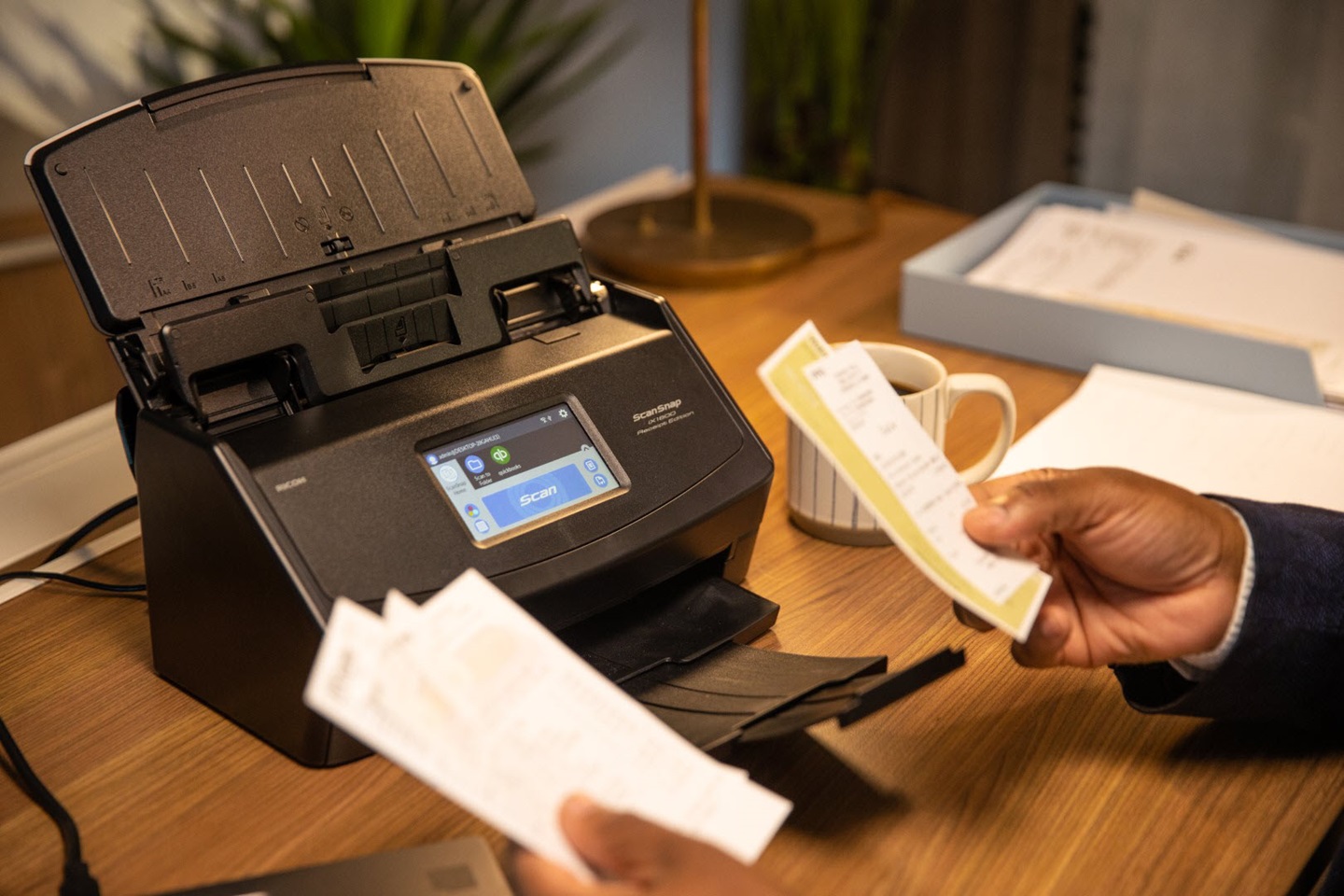
- Centralised invoice intake: All invoices (paper, PDF, email) get scanned/forwarded to a single shared AP inbox. This eliminated chaos and duplicates.
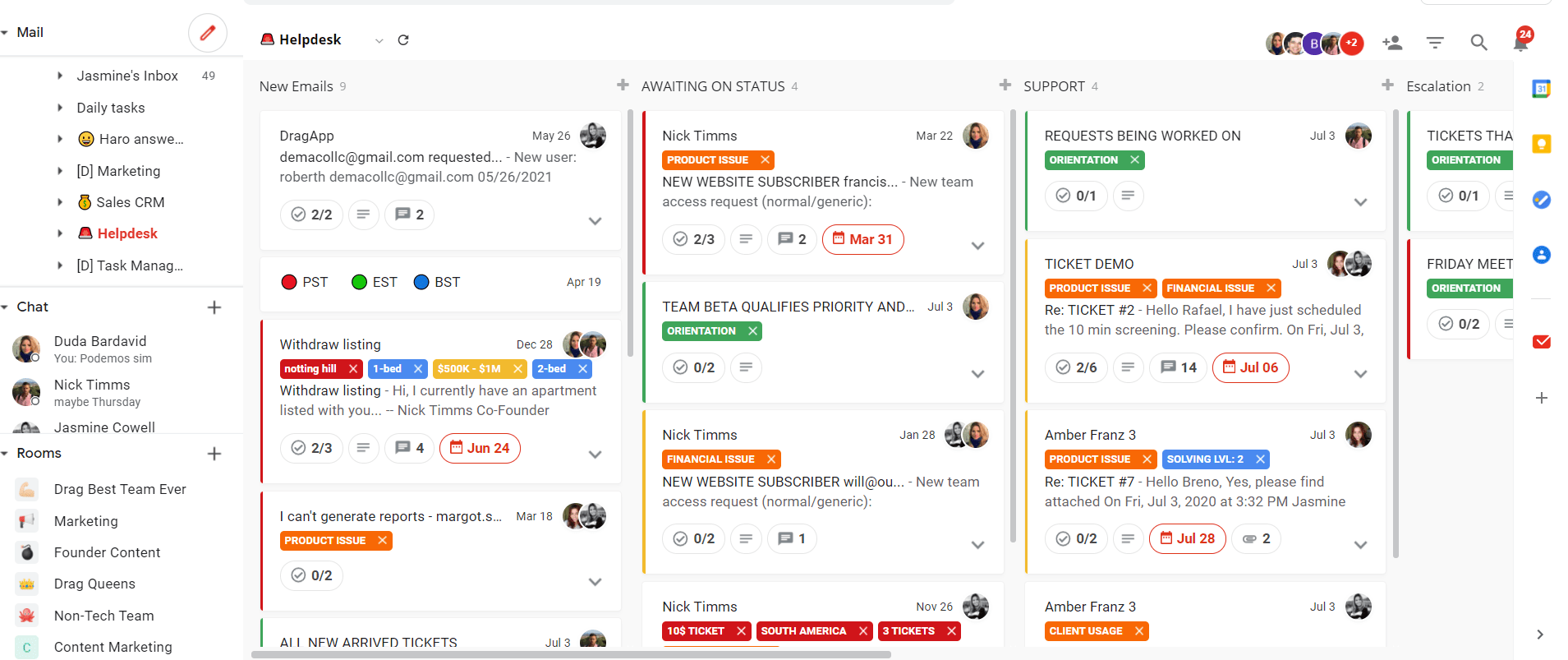
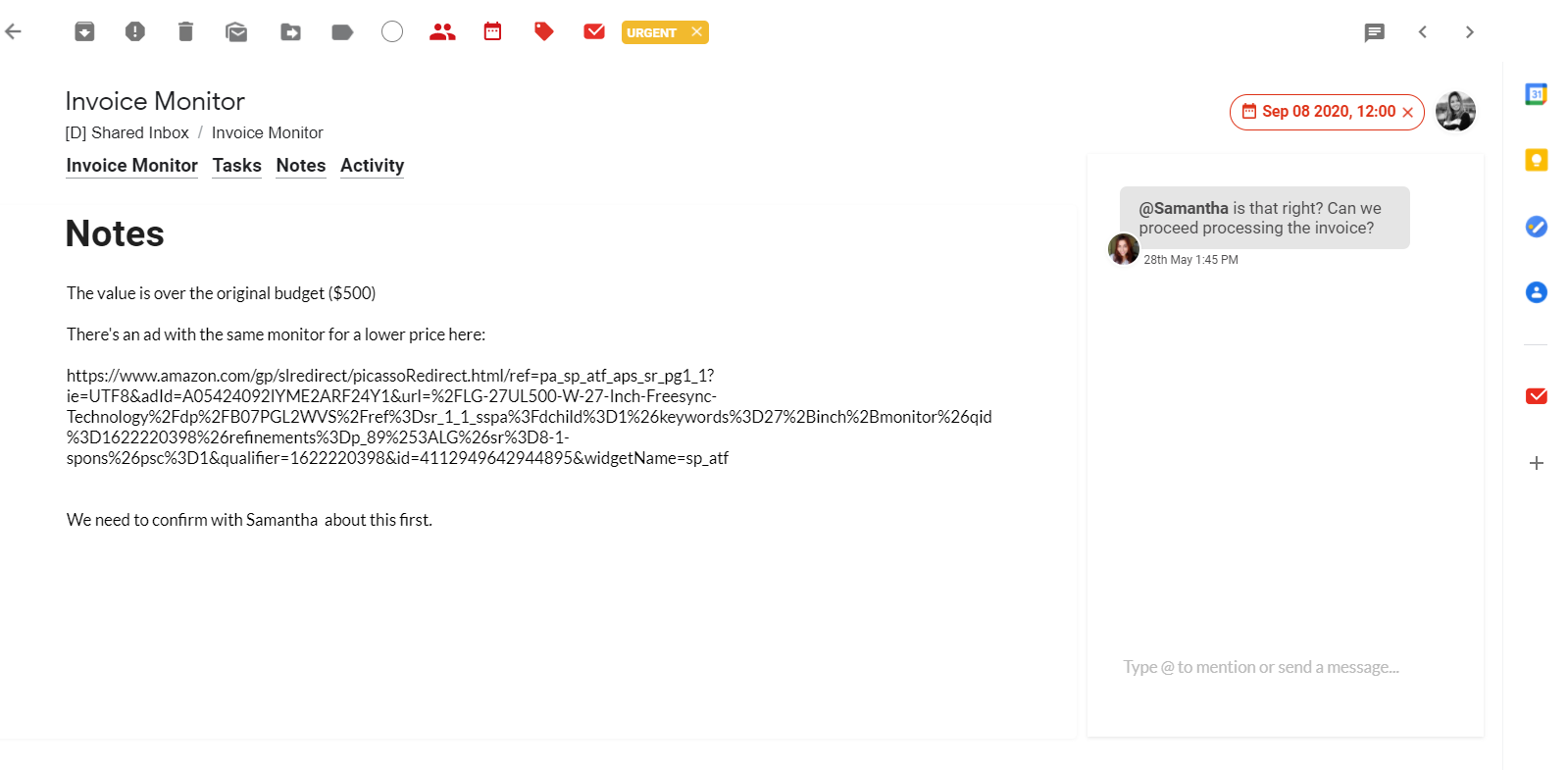
- Standardised workflows: They mapped and standardised the invoice lifecycle: receipt → PO/receipt matching → routing to approver → AP review → payment scheduling. Everyone understood their role.
- Prioritisation rules: They introduced rules such as “Project PO invoices go first”, “Non-PO overhead invoices must be validated within 24 h”, “Exceptions flagged immediately”.
- Dedicated approver notification: Approvers (Project Leads, PMs) received daily digest emails summarising invoices awaiting their approval, reducing delays between receipt and approval.
Step 3: Technology enhancement
- They implemented a lightweight AP workflow tool (cloud-based) that allowed invoice capture (OCR) and auto-routing.
- Three-way match (invoice, PO, receipt) was automated where possible for PO-based invoices, reducing manual validation time. medius.com+1
- Vendor portal: Suppliers could upload invoices in standard format; AP team could query status, reducing back-and-forth.
- Reporting dashboard: They tracked cycle time, number of invoices by status, exceptions, and late payment risk.
Step 4: People & accountability
- A process owner was assigned: the Finance Lead became the AP process champion. Approvers (project leads) were briefed and included in workflow training.
- Training: All staff involved in the AP process received a short refresher (why this matters: cash flow, supplier relations, risk).
- Incentive alignment: Project managers understood that their prompt approvals meant better supplier relations and smoother project execution.
Step 5: Monitoring & continuous improvement
- Weekly review of “invoices >5 days old” and “pending approvals >2 days”.
- Monthly KPI review: average cycle time, % invoices processed within 5 days, exceptions count, cost per invoice.
- Root-cause review: For exceptions (say mismatches, missing PO, unapproved work) they held short “invoice review” sessions to refine the process.
Results achieved
Within six months, Midland Construction reduced its AP cycle time from 10 days → ~4.8 days (thus more than halved).
Benefits included:
- Avoided late payment penalties and captured early payment discounts.
- Supplier feedback improved (they appreciated faster payments and visibility).
- AP team freed up ~20 % time (less manual chasing), enabling them to focus on strategic supplier/vendor management.
- Finance lead reported smoother month-end accruals and fewer surprises.
This real-world scenario shows that even at a 25-person GC, with modest resources, a focused PeopleOps‐led initiative around AP can drive substantial performance gains.
How PeopleOps Can Lead the Charge
When we speak of “PeopleOps” in the finance/operations context, we mean: aligning people (roles, behaviours), operations/processes (workflow, standard work) and enabling solutions (tools/automation) so the AP function becomes efficient, visible and agile.
Here’s how PeopleOps can intervene in the AP cycle time challenge:
1. Role clarity & teamwork
- Ensure the AP clerk, project lead approvers, finance lead, and vendor liaison know their roles in the workflow.
- Create accountability: who tracks “what invoices are pending”, who escalates stalled items, who owns the metric monthly.
2. Process mapping & standardisation
- Map the end-to-end invoice process: receipt → validation → approval → payment scheduling.
- Identify bottlenecks (e.g., approver delays, missing POs, data entry).
- Simplify steps: fewer hand-offs, clearer routing logic, priority queues.
3. Technology + automation
- Introduce invoice capture (OCR) or a digital invoice portal to reduce manual data-entry and routing delays. Tipalti+1
- Use workflow automation so that invoices route to the correct approver automatically; project lead can approve via mobile or email.
- Automate three-way matching for PO invoices where feasible: reduces human validation time and exceptions. medius.com
- Dashboard/reporting: PeopleOps can provide visibility of cycle time, exceptions, pending approvals – enabling proactive management.
4. Supplier engagement & terms management
- Work with the procurement/supplier team to encourage standard invoice formats, timely submission, vendor portal usage.
- Negotiate payment terms and early payment discounts; faster AP helps ‘earn’ the right to shorter terms. getdefacto.com+1
- Maintain a good supplier relationship: faster payments build trust, smoother deliveries, fewer invoice disputes.
5. Training, culture & continuous improvement
- Train all stakeholders (AP team, project leads, approvers) on the goals of the AP process and how their actions affect cycle time.
- Create a culture of “invoice aging awareness” – e.g., “If my invoice sits >3 days it’s flagged”.
- Use regular metrics reviews and problem-solving meetings: what is causing delays? How can we eliminate them?
6. Metrics & monitoring
Key metrics PeopleOps should track include:
- Invoice cycle time: days from receipt to payment scheduling. PLANERGY Software+1
- Approval time: average days between invoice routing and approver sign-off. medius.com+1
- Percentage of invoices processed within target (e.g., < 5 days)
- Exceptions rate: number/percentage of invoices requiring manual intervention or rework. Xelix
- Cost per invoice: labor+overhead cost divided by number of invoices processed. Xelix
- Late payments / discounts missed: number and value of missed early-payment discounts or incurred late fees.
PeopleOps drives the continuous feedback loop: measure → refine → implement changes → measure again.
Why a 25-Person GC is an Ideal Candidate for AP Cycle Time Improvement
- Size offers agility: With 25 staff, fewer layers, which means quicker implementation of process changes compared to large enterprises.
- High impact for modest effort: In a smaller organisation, halving cycle time can free up significant staff-hours (e.g., one AP clerk spends less chasing invoices).
- Better supplier leverage: In construction, suppliers prioritise prompt customers; a GC that pays faster earns goodwill, better service, and sometimes better pricing.
- Cash flow optimisation matters: Construction project margins are tight; reducing the lag between invoice receipt and payment visibility helps project cash-flow forecasting.
- Foundation for scale: When this GC grows (more projects, more suppliers), their AP process is already refined and scalable.
Common Roadblocks & How to Overcome Them
| Roadblock | Solution |
|---|---|
| Project leads delay approvals because they’re on site or travelling | Use mobile approval workflows, daily digest notifications, set SLAs for approvals (e.g., within 24 hrs) |
| Non-PO invoices create exceptions and delays | Standardise: for overhead invoices, assign cost centres up-front; for project invoices require PO or work-order referencing. |
| Paper invoices and manual data entry slow things | Move to digital invoice capture/OCR; mandate supplier e-invoices; centralised inbox. |
| Lack of visibility of “stuck” invoices | Build dashboard showing “invoices > 3 days unapproved”, “> 5 days pending payment scheduling”. |
| Resistance from staff used to old way | Communicate the value (fewer manual re-works, less chasing, better supplier relations), provide training, and show early wins. |
| Mistakes, duplicate payments, fraud risk | Maintain strong internal controls: separation of duties, master vendor file management, duplicate check alerts. Tipalti |
Action Plan Checklist for Your PeopleOps Team
- Measure your current cycle time: Calculate average days from receipt→payment scheduling for last quarter.
- Break down the process: Map all steps, identify hand-offs, waiting times, bottlenecks.
- Set a target: For example, reduce average cycle from current level to ≤ 5 days in 6 months.
- Standardise workflow: Create clear roles, responsibilities, routing logic, priority queues. Document the process.
- Deploy technology: Invoice capture/OCR, workflow automation, mobile approvals, vendor portal.
- Train staff & engage project leads: Explain context and benefits, train on tools, get buy-in.
- Manage suppliers: Encourage e-invoices, standard formats, vendor portal usage; negotiate terms/discounts.
- Monitor metrics and review weekly/monthly: invoice aging, pending approvals, exceptions, cost per invoice.
- Continuous improvement: Identify root causes of delays, implement tweaks, measure again.
- Communicate wins: Share improvements (e.g., “We cut cycle time by 50%”) to boost momentum and morale.
Conclusion
For a 25-person general contractor, cutting the AP cycle time in half isn’t a pipe dream, it’s an achievable strategic improvement that can deliver strong operational and financial benefits. By applying a PeopleOps mindset, focusing on people, process and technology, you can turn the once-clunky accounts payable workflow into a streamlined, responsive engine.
Faster invoice processing supports healthier cash flow, stronger supplier relationships, improved project performance and ultimately, a more agile business.
If you’d like help building out a tailored workflow map or selecting the right AP automation tool for your GC, feel free to ask.
Leave a Reply