In today’s fast-moving digital marketplace, business leaders and PeopleOps teams alike are under pressure to deliver marketing that’s not just efficient, but also relevant. That’s where the intersection of marketing automation and personalization at scale becomes critical. In this blog, we will explore what marketing automation is, why personalization matters more than ever, the key challenges or pain-points organisations face, and how a PeopleOps-oriented approach can help bridge the gap between the technical and the business sides.
What is Marketing Automation?
Marketing automation refers to platforms, tools and processes that allow organisations to automate repetitive marketing tasks (e.g., email sends, nurturing workflows, lead scoring), track multi-channel interactions (email, SMS, social, website), and integrate with customer data and campaign analytics. Wikipedia+2emailmonday.com+2
In simple terms: instead of every email, message or ad being manually crafted and sent, automation ensures that once the rules, triggers and data flows are in place, your marketing engine can run much of the nurture-and-engage process by itself, freeing up your team to focus on strategy, creative and human insights.
Why Personalization at Scale Matters
The business case
- Did you know that personalised emails have around a 29% higher open rate and a 41% higher click-through rate compared to non-personalised? Instapage+1
- According to McKinsey & Company research: 71% of consumers expect personalised interactions, and 76% feel frustrated when they don’t get them. McKinsey & Company+1
- Almost 90% of marketers say personalization makes businesses more profitable. Adam Connell+1
The “at scale” component
Personalization isn’t just about adding a first name in an email. It’s about delivering relevant content, offers and experiences to potentially thousands or millions of unique customer segments, in real time or near real time. That requires:
- Robust data: customer profiles, behaviours, lifecycle stage
- Automated triggers/workflows: when something happens, send the right next message
- Analytics & feedback loops: measure what works, adjust what doesn’t
- Integration across channels: web, email, mobile, social
Hence, “personalization at scale” demands both marketing automation and sophisticated data & orchestration.
Common Problems & Pain-Points Organisations Face
From our vantage point working with PeopleOps, marketing and business operations teams often encounter the following hurdles when trying to implement marketing automation with personalization at scale:
1. Data fragmentation & silos
Many organisations have data scattered across CRM, website analytics, email system, offline sources. Without a unified view of the customer, automation triggers or personalisation logic may be based on partial or inconsistent data. For example, your email tool might not have access to offline purchase data, so your “welcome offer” may send to someone who’s already purchased.
2. Technical complexity & integration burden
Automation platforms need to integrate with other systems (CRM, CDP, CMS, ad-tech). Lack of integration or poor data hygiene leads to workflows that break, messages that mis-fire, or worse, send irrelevant content to the wrong audience. According to a 2025 overview, about 17% of marketing executives use AI/ML extensively for personalization despite 84% believing in its potential, showing a gap between ambition and implementation. Contentful
3. Skill-gap & resource constraints
Even when tools exist, teams may lack the expertise to build effective automation flows, define correct segmentation logic, test and optimise. One study showed that nearly half of professionals cited “lack of know-how” as the biggest barrier to automation adoption. Woopra+1
4. Scale vs. Relevance trade-off
At scale, it’s easy to fall into “mass automation” which sends many messages, but not meaningful ones. If the personalisation fails (e.g., wrong offer, irrelevant content), it can hurt brand perception. For instance, McKinsey reported that when brands get personalization wrong, it creates friction and customer frustration. McKinsey & Company
5. Privacy, consent and regulatory overhead
As we collect more behavioural data, the legal/regulatory burden (GDPR, CCPA, local laws) increases. Consent management, data security, preference management become essential, yet often overlooked when focusing purely on automation.
Real-World Scenario: Bringing It All Together
Here’s a scenario from a fictional mid-sized SaaS company (“TechFlow”) that illustrates how marketing automation + personalization at scale can work and where PeopleOps can play a role.
Scenario: TechFlow’s Renewal & Upsell Engine
The business setup: TechFlow sells a subscription-based product. They have thousands of customers worldwide, each on varying plans (Basic, Pro, Enterprise). They also run a user-community and educational resources.
Goal: Increase renewal rate, drive upsell from Basic → Pro.
Challenges:
- Customer data exists in CRM, billing system and support tool, fragmented.
- Renewals and upsell offers currently sent manually by the marketing team.
- Many customers are on autopilot; they forget their renewal is due, or don’t know about the benefits of upgrading.
Solution using marketing automation + personalization:
- Data Unification: The PeopleOps or data operations team works to build a unified customer profile: subscription tier, renewal date, product usage metrics, support tickets, geographic region.
- Segmentation Logic: Define segments such as “Basic tier, usage above X threshold, renewal in next 30 days, no support tickets last 90 days, region = APAC”.
- Automation Workflow: Create an automated campaign:
- Trigger: 30 days before renewal date.
- If usage > threshold → send email: “You’re doing great, upgrade to Pro and get these extra features”.
- If usage low → send nurture email: “Getting more from TechFlow, some tips and a small offer to explore Pro”.
- Logic flows based on clicks, page visits, support activity.
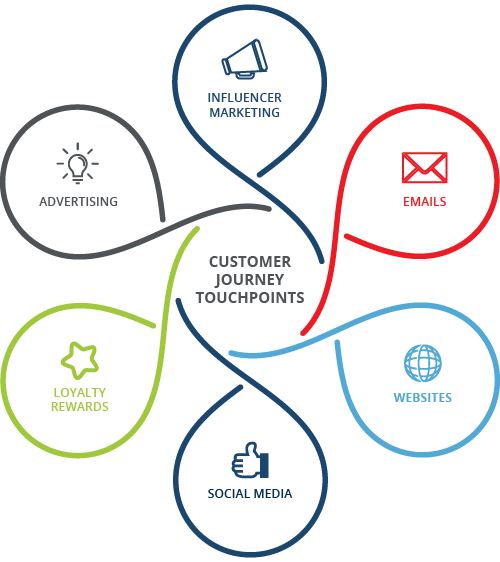
- Multi-channel Touchpoints: Email + in-product banner + SMS reminder (where permitted) + personal success manager outreach for high-value accounts.
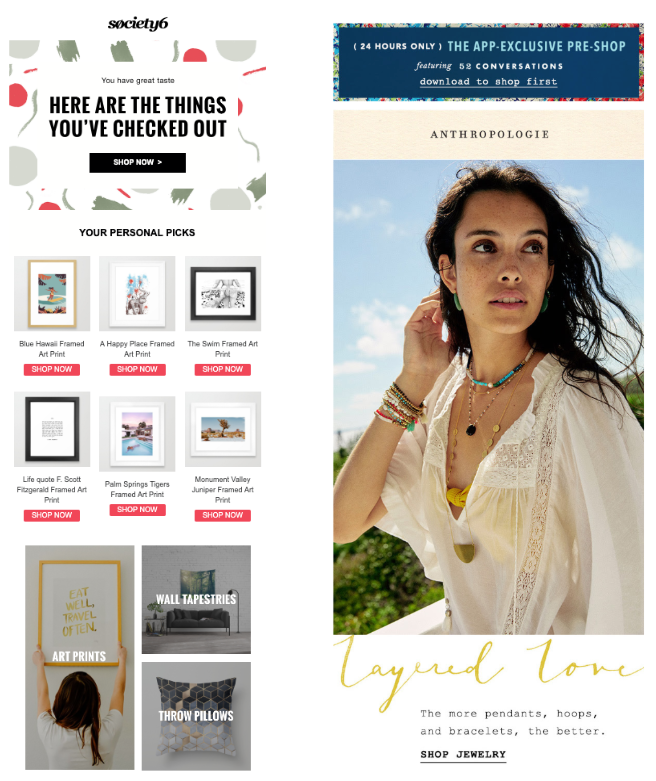
- Personalisation at Scale: The email dynamically inserts customer name, current plan, usage metric, region-specific offer. The banner message is different based on usage tier.
- Measurement & Optimisation: Track open-rates, click-throughs, upgrade conversions, renewal rates. Feed the results back into segmentation logic (e.g., refine threshold values).
- PeopleOps & Team Involvement: PeopleOps ensures that marketing, sales, customer success teams are aligned on definitions (what constitutes “usage threshold”, who handles escalation), ensures training for staff using the automation tools, documents workflows, and monitors for bias or faulty logic.
Outcomes:
By leveraging automation + personalization, TechFlow sees a higher upgrade conversion rate from Basic to Pro, and improved renewal rate because reminders and relevant offers hit at the right time. The manual burden on marketing is reduced, freeing them to design strategic campaigns rather than sending routine emails.
How PeopleOps Can Help Drive Success
As a PeopleOps professional, you sit at the intersection of people, process and technology. Here are ways you can support and enable marketing automation with personalization at scale:
1. Enable cross-functional alignment
Bring together marketing, data/analytics, customer success, product teams and ensure common definitions. For automation workflows to succeed, everyone needs to use consistent definitions (e.g., what “active usage” means), share clean data, and respect customer lifecycle stages.
2. Invest in training & capability building
Automation tools and advanced personalization logic often require new skills. Facilitate training sessions, workshops, or partner with external experts so team members are comfortable using the automation platform, analysing performance and iterating.
3. Champion data culture & governance
Ensure that the organisation treats data as a shared asset: encourage data validation, cleaning, consistent naming conventions, privacy management. Include data ethics and compliance in your training and processes.
4. Ensure the right tool-fit rather than just tool hype
With hundreds of automation tools in the market, it’s important to choose one that fits your company size, data maturity and integration needs. As some studies show, lack of fit is a barrier. WiserNotify+1 PeopleOps can coordinate selection, vendor evaluation, and ensure the new tool’s adoption plan includes people and process change, not just technology installation.
5. Foster continuous optimisation & iteration
Automation + personalization is not a “set it and forget it” exercise. Encourage a culture of iteration: review dashboards, talk to stakeholders (marketing, sales, customer success), capture feedback from customers, and refine segmentation, workflows and content.
6. Embed customer-centric mindset
Personalization must add value for the customer. Without relevance, automated messaging becomes noise. PeopleOps can help ensure that the team always asks: “Does this content help the customer right now?” rather than “What can we send next?” The best marketing automation respects the customer journey.
Key Trends & The Future Outlook
Here’s what to keep an eye on:
- AI & Machine Learning in Personalization: There’s growing research into how AI can generate personalised offers, optimise content and even automate segmentation. For example, an academic study introduced a model that improved offer acceptance by 17 % through more advanced personalization. arXiv
- Customers expect seamless, omnichannel personalization: They want consistent messages across email, mobile app, website, offline interactions. If one channel lags, it undermines the experience.
- Privacy, consent and first-party data will become more critical: With third-party cookies being deprecated, building strong first-party data assets and transparent consent frameworks is vital. LeadPost
- ROI measurement remains challenging: Even though many organisations invest heavily in automation and personalization, measuring the direct business impact (e.g., revenue uplift, customer lifetime value) is still a struggle. Business Insider
Summary: Why It Matters For Your PeopleOps Strategy
For PeopleOps teams supporting marketing and business operations, the alignment of marketing automation + personalization at scale offers compelling advantages:
- Efficiency gains: Automating repetitive workflows frees your marketing and customer success teams to focus on strategy and high-value work.
- Better customer experience: Relevant, timely, personalised messaging improves engagement, loyalty and conversion.
- Scalability: With better tools, segmentation and workflows, you can deliver personalised experiences to large audiences without linear growth in effort.
- Cross-functional synergy: PeopleOps can shape the process, training, culture and governance that make technology adoption successful rather than fragmented.
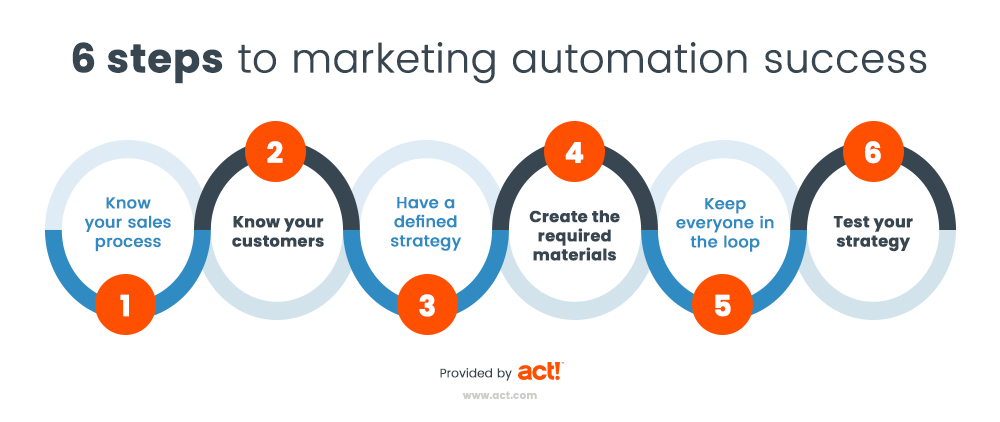
If you’re just starting, focus on getting the data foundation right, aligning stakeholders, choosing the appropriate tool and creating a first workflow, ideally one that delivers high value (e.g., renewal, upgrade, onboarding) and is easily measurable. From there you can scale and iterate.
Leave a Reply