
Introduction
In today’s construction industry, firms of all sizes, especially those in the $2 M–$50 M revenue range, are relying on cloud-accounting tools like QuickBooks Online (QBO) to manage their books. But when it comes to construction-specific requirements (job costing, contract types, compliance, payroll, retainage, lien waivers, etc.), QBO often leaves critical gaps. This is where specialized solutions such as Adaptive (formerly Adaptive.build), RedHammer (a construction accounting & consulting firm) and Hammr step in to fill those gaps.
In this article we’ll:
- Highlight the key pain points for construction firms using QBO.
- Explore how Adaptive, RedHammer, and Hammr address those pain points.
- Present real-world scenarios where blending QBO + these tools/partners adds value.
- Offer best practices & PeopleOps considerations when adopting such integrations.
1. The Construction-Accounting Gaps in QBO
Although QBO is widely adopted, it wasn’t originally built for the complexity of construction accounting and that shows. According to RedHammer’s analysis:
Common “gaps”
- QBO lacks commitment management (i.e., reserving budget when POs or subcontracts are issued). Without that, firms may only see cost when the vendor bill hits the ledger. redhammer.io+2redhammer.io+2
- Handling multiple contract types (fixed-price, time & materials, cost-plus) with one consolidated margin-view is a challenge in QBO. redhammer.io
- True job-costing real time: Field labor, materials, equipment must align to cost-codes and job-codes, but QBO needs manual effort to stay current. redhammer.io
- Construction specific workflows: Progress billing (AIA forms), retainage (AR & AP), certified payroll, lien waivers, job WIP – all require extras or manual work in QBO. redhammer.io+1
- The manual reconciliation burden of “field → project manager → accounting” hand-off creates delays, errors and cash-flow visibility issues. CPA Practice Advisor+1
Why do these matter for PeopleOps / Finance & Ops
- When job-costing is delayed or inaccurate, P&L by job is unreliable → decisions suffer.
- Retainage not tracked properly means cash-flow surprises, affecting staffing, subcontractor pay, wage compliance.
- Manual data entry and reconciliation distract staff from value-add tasks (project management, analytics).
- Poor integration between field tools and accounting reduces operational efficiency, leads to fragmented systems and shadow spreadsheets.
2. How the Solutions Fill the Gaps
Let’s take each of the three solutions, Adaptive, RedHammer & Hammr, and map how they address specific gaps, with concrete features.
2.1 Adaptive
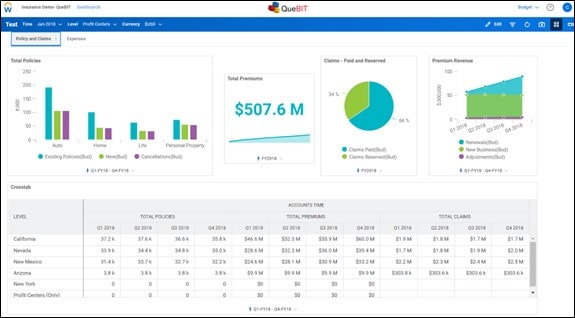

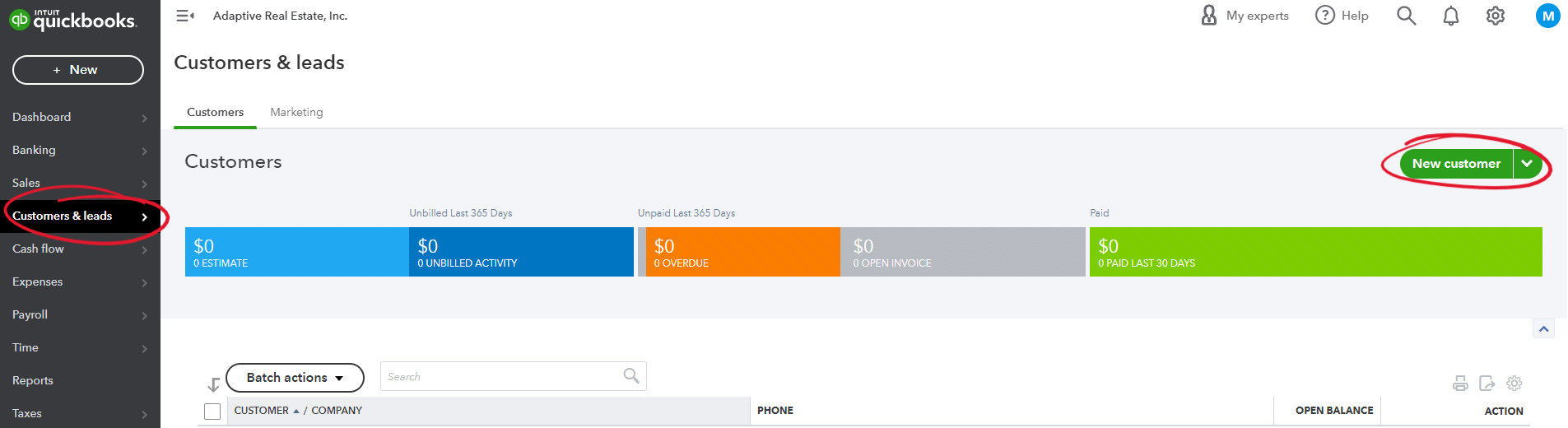
What it is: A construction-finance app built to integrate with QBO and automate jobs, budgets, draws, receipts and cost tracking. adaptive.build+1
Key features:
- Two-way sync with QBO: bills, invoices, payments flow automatically. adaptive.build
- Automated receipt capture, cost code mappings, budgets & draws. CPA Practice Advisor+1
- Real-time visibility: job cost vs budget, change-orders, WIP adjustments. adaptive.build
How it fills gaps: - Provides job-costing workflow outside of QBO, feeding clean data into QBO with less manual entry.
- Handles budget tracking & cost-code assignments, reducing the lag between field events and accounting records.
- Because it syncs to QBO, you keep QBO as your general ledger while layering construction-specialized workflows on top.
Scenario: A mid-sized commercial GC uses QBO for basic accounting but struggles to keep job-costs current. They adopt Adaptive: the field crew logs receipts and cost codes in Adaptive, budgets are created, and monthly cost-vs-budget dashboards auto-update. The CFO sees margin per job weekly instead of at month-end. The bookkeeper sees fewer errors because bills were coded in the field.
2.2 RedHammer

What it is: A consulting + outsourced-accounting firm serving construction companies, specializing in software implementation, process improvement and bridging technology gaps. redhammer.io+2redhammer.io+2
Key services:
- Implementing systems like QBO (and construction-specific overlays) for contractors. redhammer.io
- Workflow automation: AP, billing, job costing, payroll for construction. redhammer.io
- Strategic advice: whether to stay on QBO + integrate, or migrate to a full ERP. redhammer.io
How it fills gaps: - Acts as the “human” layer: not just software, but process redesign, training, change-management for construction accounting.
- Helps integrate best-practice cost-code structures, retainage handling, job reporting within QBO or connected systems.
- For firms undecided on full ERP migration, RedHammer advises how to supplement QBO with the right apps instead of ripping everything out. redhammer.io
Scenario: A residential builder with $12 M revenue hits pain with spreadsheets for retainage, cost overruns and slow month-end. They hire RedHammer to audit their QBO setup, implement better job-costing, connect field apps, clean up chart of accounts, and train staff. They reduce manual work by ~40% and accelerate month-end close.
2.3 Hammr
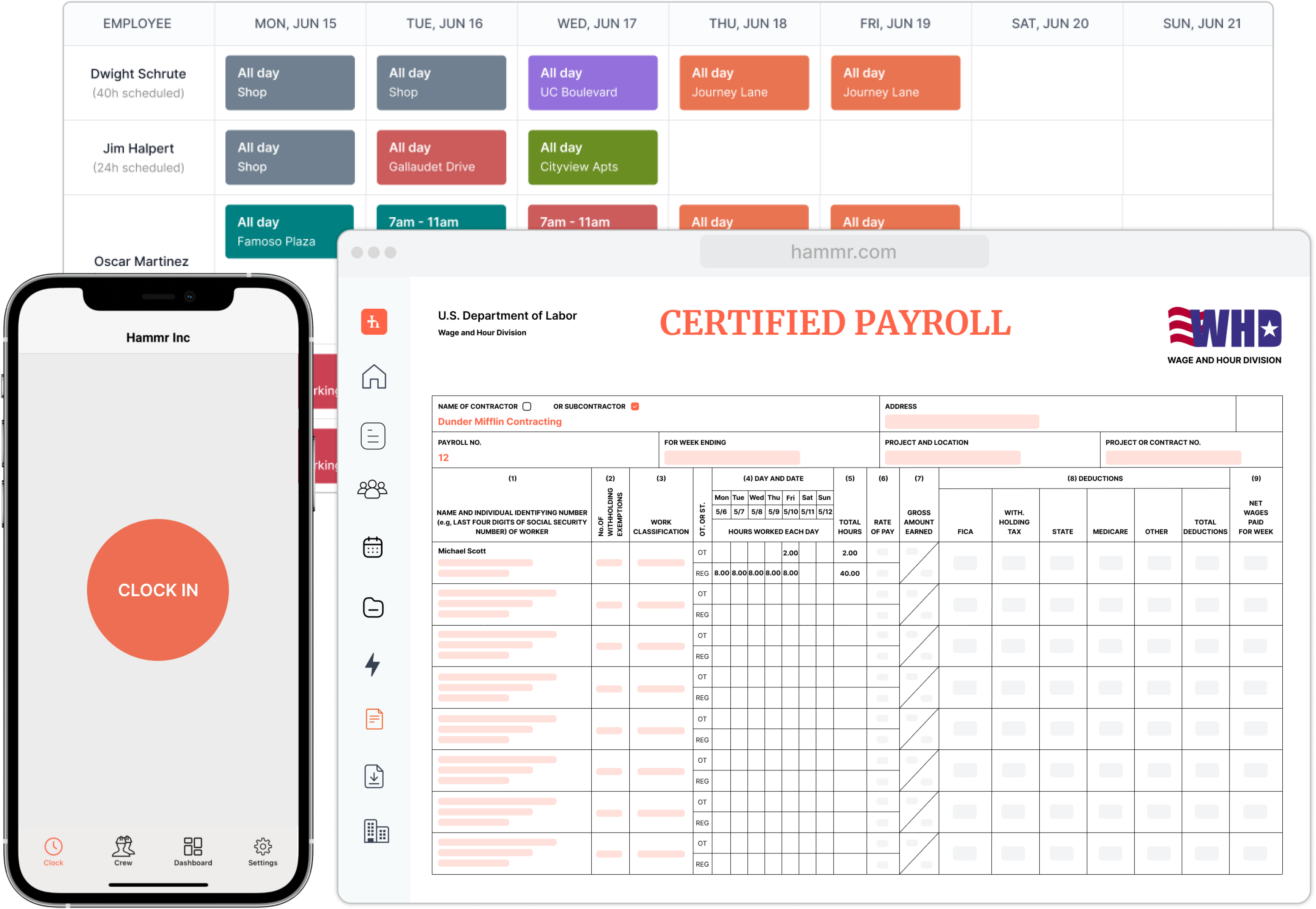
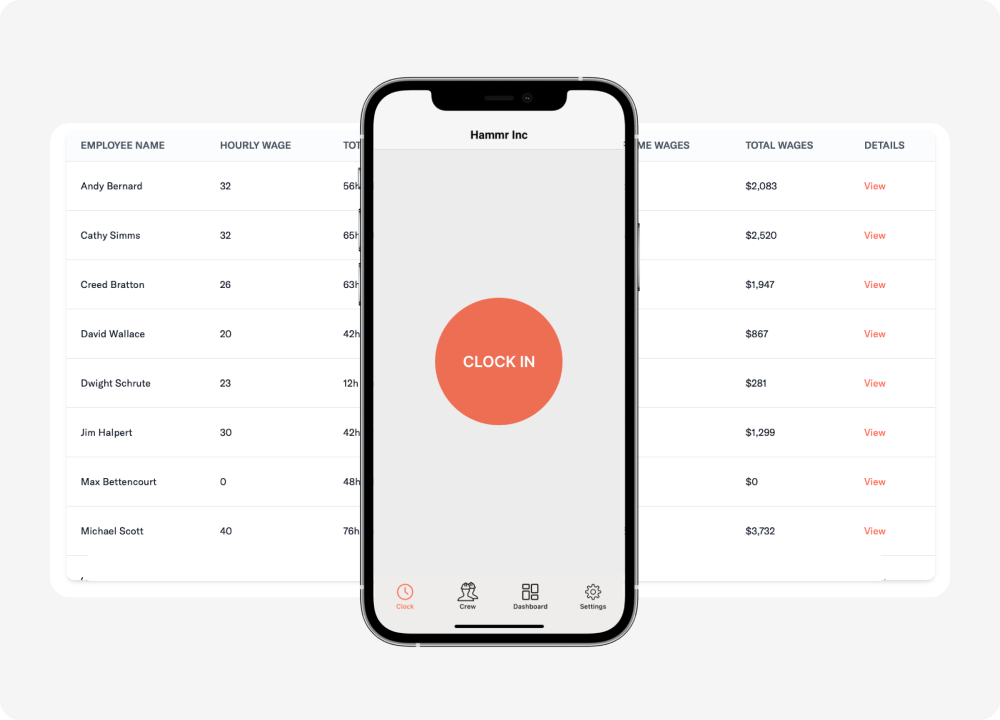

What it is: A construction-payroll + HR + compliance platform that integrates with QBO for contractors. hammr.com+1
Key features:
- Payroll, time-tracking, scheduling, benefits, mobile crew tools. hammr.com
- Prevailing wage / union compliance support. hammr.com
- Integration with QBO and other accounting systems to sync payroll data and eliminate duplicate entry. hammr.com
How it fills gaps: - Payroll is a major cost driver in construction; when it’s disconnected from job-costing, you lose margin visibility. Hammr pulls payroll into the costing system.
- Prevailing wage and union compliance are often manual or external; Hammr builds them into the system and connects to the back-office ledger.
Scenario: A specialty trade contractor handles lots of prevailing-wage jobs and uses QBO for accounting but has payroll in a separate system. They adopt Hammr: crews log time in the field app, payroll coded to jobs, and wage/benefit expense flows into QBO cost-codes automatically. The operations manager sees labour burn by job daily instead of weekly.
3. Real-World Combined Use-Case: QBO + Adaptive + Hammr + RedHammer
Let’s walk through a combined narrative to illustrate how these all stack together in a construction company.
Company: “BuildWell Creations”, $15 M commercial contractor
Problem
- They use QBO for accounting, but job profitability reports are done manually via Excel each month.
- Field time and receipts come in late; payroll system isn’t linked to QBO cost codes.
- Retainage & change orders are messy; subcontractor commitments are not reserved in system.
- Leadership wants real-time margin visibility to bid more competitively.
Solution Path
- RedHammer is engaged to map current workflows, clean up cost-code structure in QBO, and advise on integration strategy.
- They decide to retain QBO as general ledger, and adopt Adaptive for job-costing, budget/draw tracking and field receipts. Adaptive is integrated with QBO so bills, invoices, payments flow automatically.
- They also adopt Hammr to handle crew scheduling, time-tracking, payroll & prevailing-wage jobs, coded to cost-codes. Hammr syncs to QBO giving payroll data in real time.
- PeopleOps & finance collaborate: new workflows are defined (field receipts entered in Adaptive right away; crews use Hammr app; approvals streamline). RedHammer provides training & monitoring period.
- After go-live: The project manager logs a change order in Adaptive, which updates budget; labour cost from Hammr maps to job cost; monthly margin reports in QBO now refresh weekly. Retainage and commitments are tracked. BuildWell Creations now bids with more confidence, sees labour burn daily, and has less month-end noise.
Outcome
- Time-to-close books reduced by ~30%.
- Early-month profit visibility improved; they detected one job trending negative 2 weeks in and corrected before major overrun.
- HR/Payroll staff spend less time reconciling spreadsheets and more time analyzing cost drivers.
4. PeopleOps & Finance Best Practices for Implementation
When PeopleOps teams (Ops + Finance + HR) adopt such layered integrations, here are key considerations:
Define the “single source of truth”
- QBO remains your general ledger (GL). The specialized systems (Adaptive, Hammr) act as job-costing or payroll feeds.
- Make sure cost-codes, jobs, vendors, subs are consistent and mapped across all tools.
- RedHammer emphasises cost-code structure design as foundational. redhammer.io
Process mapping & change-management
- Document current workflows: field → job manager → payroll → accounting. Identify hand-off pain points.
- Introduce the new workflow: decide when and where data is entered (e.g., Hammr app for time, Adaptive for receipts).
- Train all levels: field crews, project managers, accounting, HR. RedHammer reports that low user adoption is a key pitfall. redhammer.io
Integration & data hygiene
- Before going live, clean up vendor/subcontractor lists, job codes, cost codes in QBO.
- Test the sync flows: bills in Adaptive should appear correctly in QBO; payroll from Hammr should map to cost codes.
- Set reconciliation schedule: monthly job vs budget review, review of retained amounts. According to 24hrBookkeeper’s guidance, reconcile monthly. 24hrbookkeeper.com
PeopleOps special focus: Payroll & Compliance
- With Hammr handling payroll and scheduling, HR must align crew onboarding, benefits, classifications, compliance workflows.
- Ensure labour-cost burn by job is visible to Ops and finance; PeopleOps can lead in enabling that transparency.
- Use dashboards to give crews visibility and accountability (time tracked vs budgeted).
Continuous improvement & reporting
- Use Adaptive (or similar) to review job cost vs budget, change orders, burn rate weekly, not just monthly.
- PeopleOps / finance should meet weekly with ops leadership to review KPI dashboards derived from these tools.
- Retain focus on adoption, new tools are only useful if fully used. RedHammer’s model emphasises combination of software and ongoing oversight. redhammer.io
Technology stack governance
- Maintain a “tool inventory” of which systems feed QBO and how.
- Assign data-owner roles (e.g., project manager owns cost-code entry in Adaptive; HR owns time entries in Hammr).
- Monitor for duplication or divergence (e.g., if someone enters manually in QBO bypassing Adaptive).
5. Summary & Key Takeaways
- QBO is a powerful base accounting tool, but for construction firms it often lacks discipline-specific workflows (commitments, job costing, retainage, payroll/job-cost integration).
- Solutions like Adaptive (construction-finance overlay), Hammr (payroll/crew/scheduling) and consulting/implementation partners like RedHammer fill those gaps thoughtfully, without necessarily replacing QBO.
- Implementation is not just plug-and-play: PeopleOps, finance & operations must collaborate on process redesign, data mapping, training, governance.
- The result: better real-time visibility into project profitability, less manual reconciliation, stronger labour cost control, more confidence in bidding & forecasting.
Final Thoughts
If your construction firm is still relying on spreadsheets to bridge the gap between the field, payroll, and QBO, you’re not alone, but the gap is getting wider. Embracing a layered model, QBO as GL + construction-specific overlays + partner advisory can create sustainable operational improvement.
PeopleOps is uniquely positioned to lead this transformation: aligning HR, crew management, payroll, finance and operations under one workflow vision. By selecting the right toolset, mapping clear processes and disciplining data-flows, you can turn accounting and payroll from a burden into a strategic advantage.
Leave a Reply