
1. Introduction

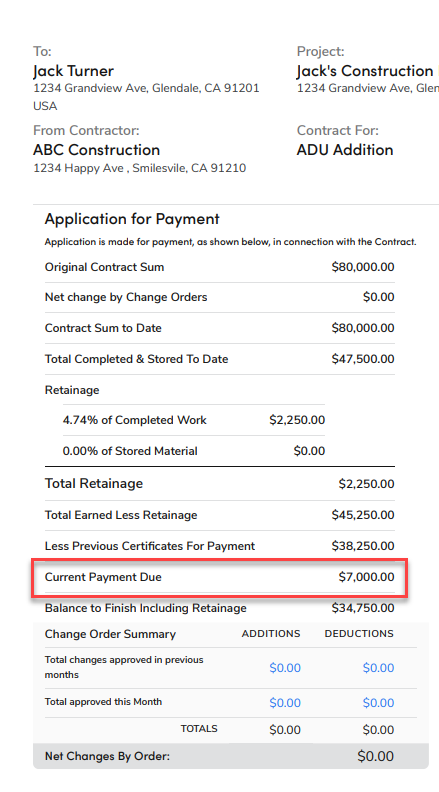
When a project finally reaches its finish line, one of the critical tasks is issuing the retainage release invoice, the payment of funds that have been held back to ensure project completion and quality. For many organisations in construction, engineering, and other project-based industries, this step is often manual, error-prone, and delayed. That’s where automation of retainage release invoices comes in.
In this article we’ll:
- Define what retainage is and why it’s held.
- Highlight the pain points & risks when retainage release is managed manually.
- Show how automation transforms the process.
- Provide a playbook for PeopleOps, Project Finance, and ERP/Systems teams to enable this.
This content bridges both business (responsibility, cash-flow, relationships) and technical audiences (systems, workflows, integrations), so you can align PeopleOps with project operations and finance.
2. What is Retainage & Why Release Matters
Definition and Purpose
- Retainage (also called retention or holdback) is a portion of the contract value – commonly 5-10%– that is withheld by the owner or general contractor until predefined conditions (such as substantial completion, punch-list resolution, lien waivers) are met. Procore+2rabbet.com+2
- It serves two main purposes:
- Quality assurance – financial incentive for contractors/subcontractors to finish work and address defects. Procore+1
- Risk reduction – for project owners/GCs to have funds to fix or complete work if the contractor fails to meet obligations. Construction Coverage+1
When is it Released?
- The contract or governing law defines when retainage becomes payable, e.g., upon “substantial completion”, final inspection, all punch-list items closed, and unconditional lien waivers submitted. Procore+1
- Delay in release means cash-flow pressure for contractors/subcontractors and reputation risk for owners/GCs. For example: “Waiting too long to bill … increases the risk of disputes or cash-flow pressure.” The Rollout Crew
Why it Matters for PeopleOps & Finance
- Retainage sits as non-paid earned revenue for contractors/subs and as a liability for owners/GCs. Construction Coverage
- Manual tracking often leads to forgotten invoices, delayed payments, and strained subcontractor relations, which in turn affects staffing, vendor trust and PeopleOps risk (turnover, morale).
- Automating means improved transparency, quicker payments, fewer disputes, all positive for operations, finance and People strategy.
3. Pain Points & Risks in Manual Retainage Release
Common Problems
- Spreadsheet chaos & manual errors — tracking retainage across dozens of projects with Excel + email invites mistakes and omission. cmicglobal.com
- Missed deadlines or release triggers — if a milestone like “punch-list complete” is missed or not tied to a workflow, release is delayed. milestoneis.com
- Cash-flow impact — contractors/subcontractors may have worked long ago but cannot access retained funds, affecting payroll, supplier payments, new bids. levelset.com+1
- Compliance & legal risk — some jurisdictions cap retainage, define release windows; failing to meet these can invite penalties or disputes. whittmarsh.com+1
- Stakeholder trust erosion — delayed or opaque retainage releases degrade relationships with subcontractors and vendors, making future sourcing harder.
A Real-World Scenario
Imagine a large commercial build in which the GC has withheld 10% retainage across all trade partners. The project hits final completion but subcontractors are still awaiting their retainage release because the GC’s accounting team didn’t issue their final invoices, the invoice release got lost in spreadsheets. The subcontractors then delay their own suppliers, morale dips, and the GC’s audit flags the open liabilities. If this happens repeatedly, staffing issues in the field emerge, and procurement churn grows.
4. How Automation Solves the Retainage Release Problem
Automation Capabilities
Modern construction finance or project-ERP systems offer features such as:
- Pre-configured retainage rules (percentage, milestone triggers) by project, contract or vendor. milestoneis.com+1
- Automatic calculation of retained amounts on invoices (progress/pay applications) and automatic generation of “release retainage” invoices when conditions are met. gobuid.com
- Workflow triggers: e.g., when lien waiver uploaded + punch-list closed → release workflow kicks off. cmicglobal.com
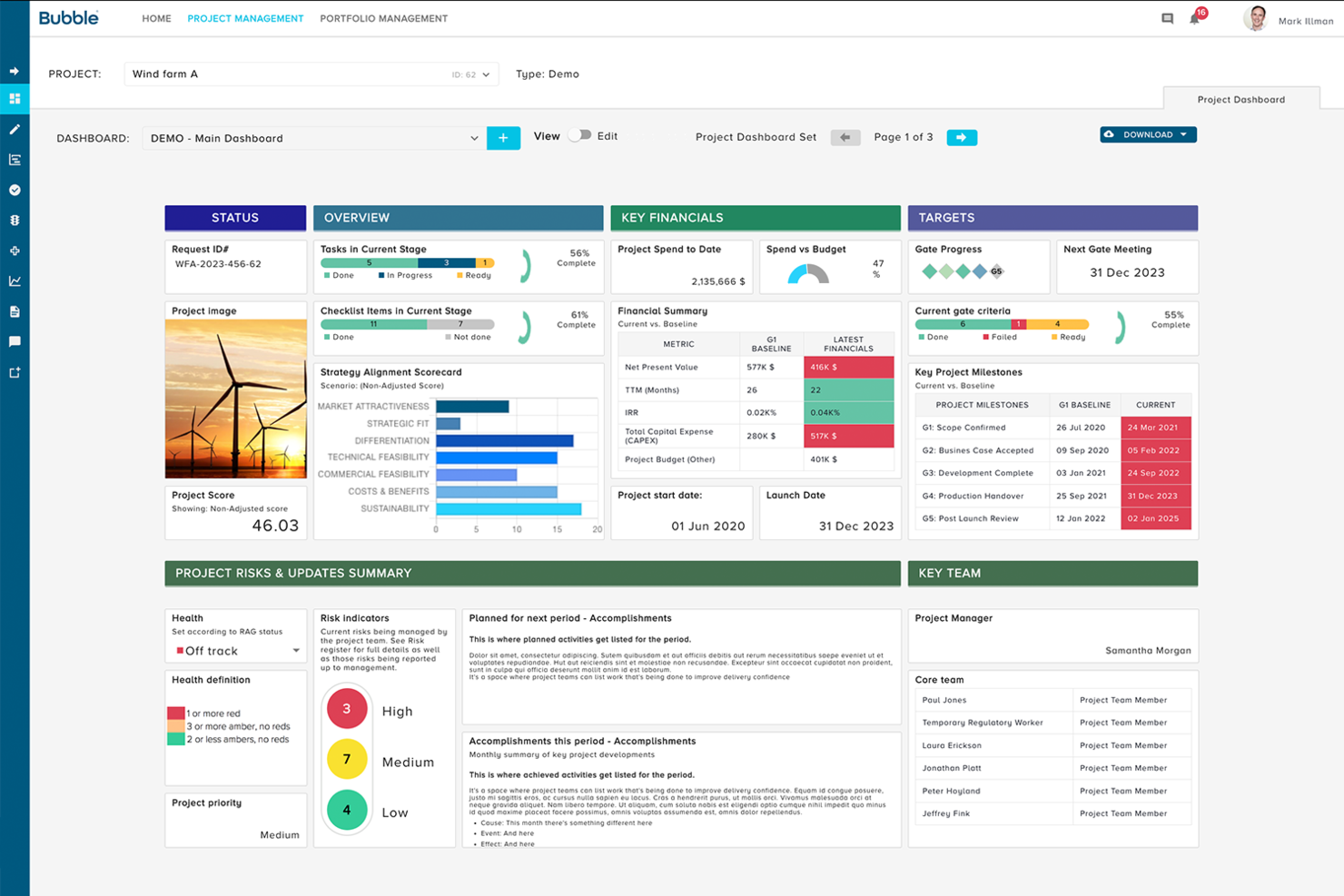
- Dashboards & alerts for status of retainage receivables/payables (how much is held, when due, pending releases). Construction Coverage
- Integration with accounting, job-costing and sub/vendor payable systems so that when you issue release, it flows through AP and AR accurately.
Benefits
- Speed: Retainage release invoices get issued immediately once conditions are met, shortening payment lag.
- Accuracy: Less manual calculation avoids over-withholding or missing release eligibility.
- Visibility: Everyone (owner, GC, subs) sees the status of retainage, withheld, eligible, and released.
- Compliance: Systems enforce contract and legal rules around retainage, reducing risk of regulatory or contractual violation.
- PeopleOps upside: With subcontractors paid timely, staffing stability improves, vendor relations strengthen, and project team morale is higher.
Example: Software in Action
One article describes a vendor tracking “retainage receivables” via an ERP add-in, which automatically generates release transactions when configured rules fire (e.g., 5% retainage, project complete). SUITE ENGINE Another describes that platforms like Acumatica Construction Edition allow for variable retainage (10% → 5% at 90% completion) and automate invoice creation. milestoneis.com
5. Playbook: Automating Retainage Release Invoices, Step-by-Step
Here’s a practical sequence you and your PeopleOps/Finance/Systems teams can follow.
Step 1: Clarify Contractual & Legal Rules
- Review standard contract templates: what % retainage, when release, what conditions (punch list, lien waiver, certificate of occupancy).
- Check local legal/regulatory requirements (some states cap %, require release by X days after completion). levelset.com
- Document these rules in a “retainage policy” reference.
Step 2: Map Current Workflow
- List how retainage is currently captured (spreadsheets, manual journal entries, email approvals).
- Identify bottlenecks: missed milestone triggers, lost invoices, manual calculations, separate systems for AP/AR.
- Interview stakeholders: project managers, accounting, subcontractors.
Step 3: Configure Automation in Your System
- In your project-ERP or accounting system (or a module/add-on) set up:
- Retainage rate defaults (5%, 10% etc).
- Trigger rules: e.g., automatic release invoice when identified milestone complete AND all documentation submitted.
- Enable dashboards/alerts: show amount retained, amount eligible for release, overdue releases.
- Integrate with accounting/AP/AR: so the release invoice flows through the system with minimal manual input.
Step 4: Link PeopleOps & Vendor/Subcontractor Workflow
- Ensure subcontractor agreements reflect the automation workflow (they know when and how their retainage will be released).
- Set up notifications: when milestone achieved → subs get alert “Your retainage release invoice will be issued”.
- Enable training/communication: field staff, project managers know their role (upload punch-list completion, final inspection sign-off) as triggers.
Step 5: Project Closeout Checklist
- At closeout, include retainage release as a mandatory checklist item:
- All punch‐list items cleared.
- Inspections done.
- Lien waivers/insurance certificates submitted.
- Final “release retainage” invoice ready.
- This ensures it’s not overlooked as “just another task”.
Step 6: Monitor & Optimize
- Track metrics: average number of days from “milestone complete” to “retainage invoice issued” before automation vs. after.
- Monitor cash-flow impact: how much retainage outstanding at any time.
- Get feedback from subcontractors: did they feel payment speed improved, trust increase?
- Iterate the workflow: adjust triggers, notifications, roles as needed.
6. Role of PeopleOps in This Automation
Often, retainage release automation is seen as finance/IT-centric, but PeopleOps has a pivotal role:
- Vendor/Subcontractor relationships: Timely retainage builds trust and improves subcontractor satisfaction, which supports recruitment and retention in your extended workforce.
- Stakeholder communication & change management: New automated workflows mean change. PeopleOps should support training, clear role definitions and cultural adoption.
- Performance metrics & behaviour: Align project teams with KPIs around closeout efficiency, including retainage release, an indicator of operational maturity.
- Cash-flow & workforce planning: Understanding retainage dynamics helps PeopleOps plan staffing, vendor contracts, and subcontractor capacity more reliably.
7. Final Thoughts
Automating the release of retainage invoices is not just a nice-to-have; it’s a strategic lever. It improves cash-flow, reduces administrative overhead, strengthens relationships, and aligns field operations with financial and People systems.
Leave a Reply