
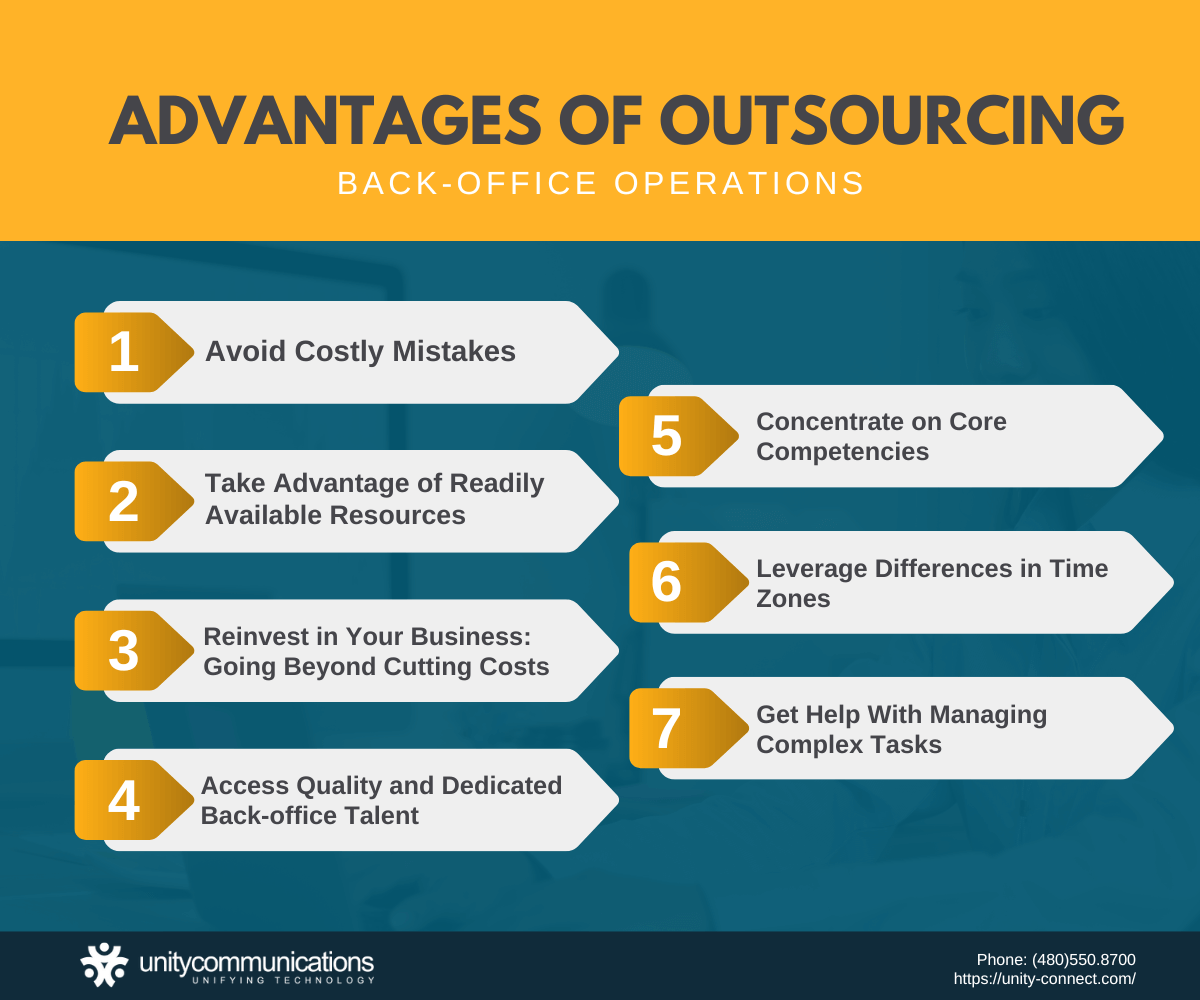
In the construction world, the action we tend to see is on site: cranes, scaffolds, concrete pouring, labour crews. But behind every well-running site is a back-office operation, the administrative, financial, HR, procurement, compliance and information systems that keep the job moving. For many firms, the back office is where fragmentation quietly hides, eroding productivity, profitability, transparency and culture.
In this article we’ll explore
- what we mean by fragmentation in the construction back-office context,
- where it shows up (pain points),
- why it matters (to both business and technical readers), and
- how a PeopleOps approach can help restore coherence, alignment and value.
1. What is fragmentation in construction back-office operations?
In the construction industry, “fragmentation” refers to the situation where many separate systems, processes, teams or silos work in isolation rather than as an integrated whole. The symptom is dis-connected data flows, redundant effort, duplication, manual hand-offs and weak end-to-end visibility.
In the back office of a construction company this might include:
- Separate HR/time-keeping systems, procurement systems, project accounting systems that don’t “talk” to one another.
- Field crews using paper timesheets while the office uses spreadsheets; project managers using one tool, finance uses another.
- Disparate vendor/supplier management, subcontractor communication, contract documents stored in different silos.
- Legacy architecture or multiple “best-of‐breed” systems cobbled together without integration, producing “data sprawl”.
For example: a blog article summarises:
“Construction firms need an average of six or more software programs to complete daily tasks… each with its data collection and organisation methods.” Quickbase
And notes the consequences:
“Projects are delayed… Data discrepancies… Lack of a single source of truth.” Quickbase
In academic research, it is well documented that fragmentation leads to isolation of professionals, lack of coordination between design and construction, sequential rather than integrated workflows, and thus rework, delays and cost overruns. ResearchGate+1
In short: fragmentation is the hidden drag on back-office performance, especially for growing construction organisations.
2. Where does fragmentation hide in back-office functions?
Let’s look at specific areas in the construction back-office where fragmentation tends to creep in often in places that appear routine but carry heavy risk.
A. HR / Workforce & People Operations



In construction, HR and people-ops challenges are many: recruitment and retention of skilled trades, compliance with labour laws, multiple employment types (permanent, subcontractor, union, temporary) and scheduling logic that ties strongly to projects.
- High turnover, skills shortage and workforce planning disconnect are common. Asset Tracking Software+1
- Compliance and classification issues (employee vs contractor) are frequent. hh2
When the back-office HR systems are fragmented, you might find:- Timekeeping by paper or site foremen, then manual entry into payroll systems
- Field certifications/training stored locally, not integrated with HR dashboards
- Subcontractor workforce data (hours, safety training) not linked with project accounting
This leads to inconsistent data, auditing risk and slower decision-making about workforce deployment.
B. Procurement, Vendor & Subcontractor Coordination


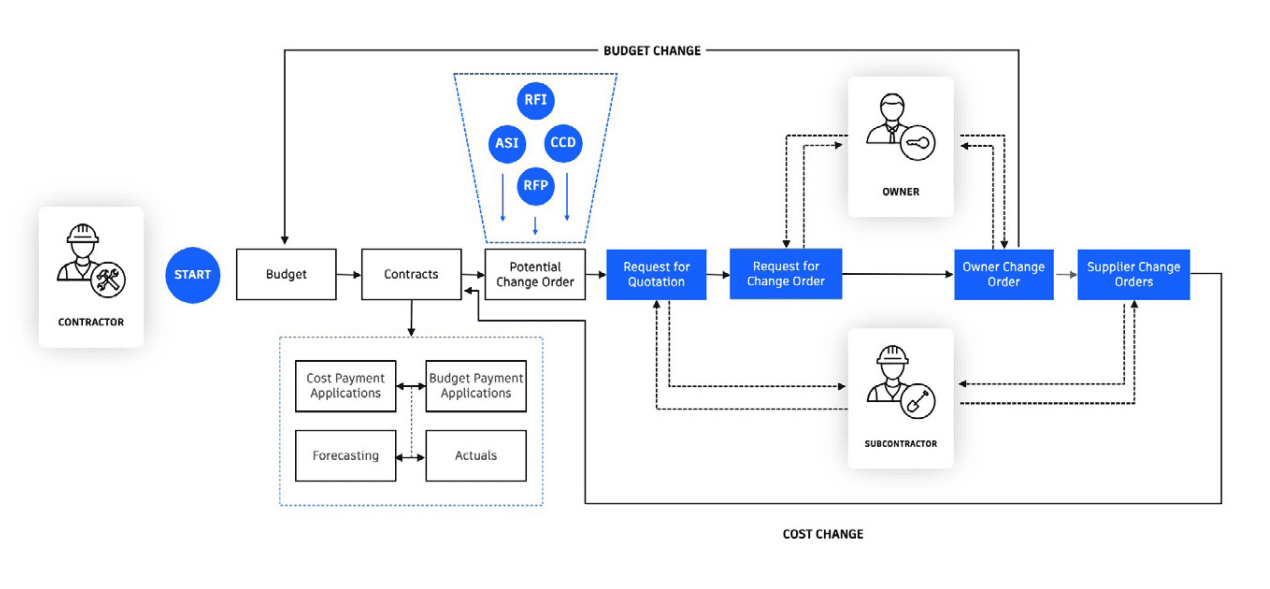
Procurement is often a back-office domain, but in construction the field is deeply involved (materials, equipment, subcontractor scope, change orders). Fragmentation shows up as:
- Vendors managed by one department, subcontractors by another, each with their own spreadsheets or systems
- Communication by email or phone rather than an integrated vendor management platform
- Lack of real-time visibility into vendor commitments, deliverables, cost implications
A recent article describes:
“fragmented vendor coordination, disjointed communication, misaligned schedules, and scattered data … leads to delays, cost overruns, quality issues.” CapEx Procurement
So back-office fragmentation here adds cost and risk, especially when field decisions need to be backed by vendor/sub-contractor data.
C. Financials, Project Accounting & Job-Costing
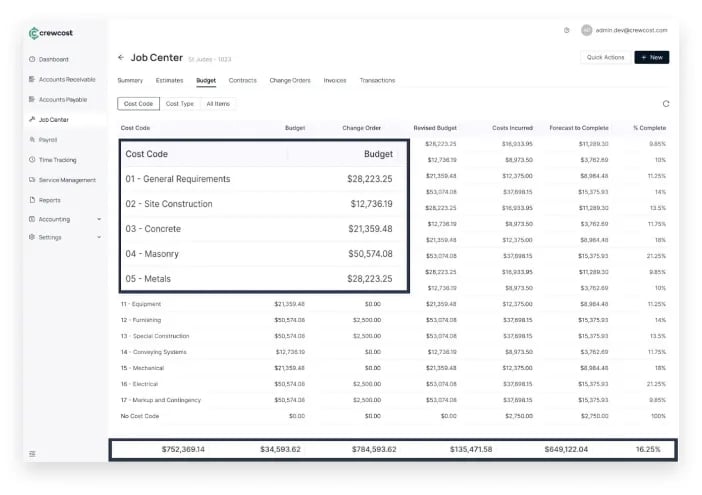
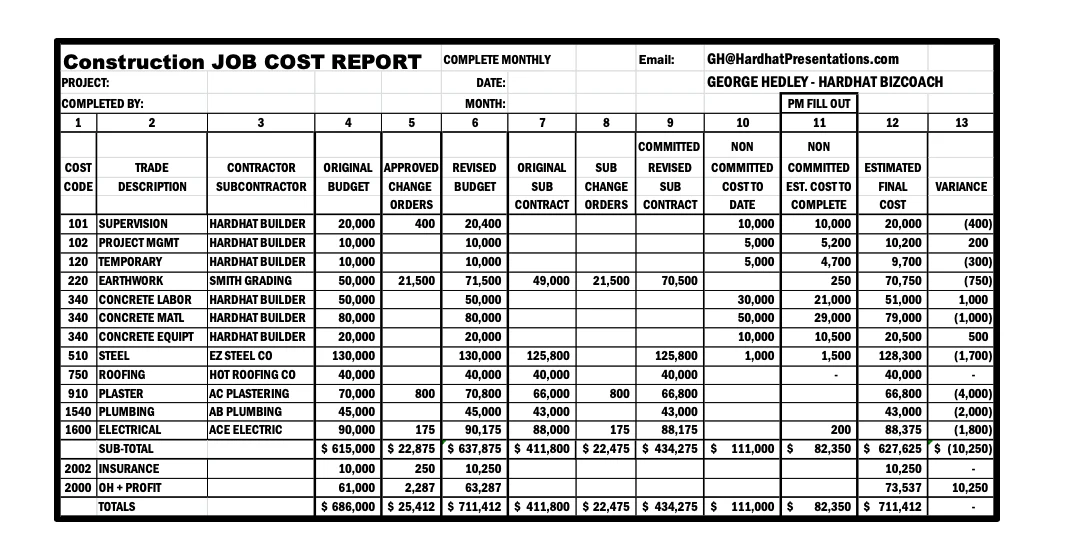

Arguably the heart of the back office: finance, job costing and project accounting. Fragmentation here can be devastating:
- Accounting systems separate from project management/field systems means delays in data flow, reconciliation issues and misleading dashboards. Adams Brown Tech
- Paper invoices or manual approvals slow down billing cycles and cash flow.
- Lack of real-time insight into job cost leads to surprises in margin performance, change orders, or profitability.
In an efficient back-office: project managers and finance see the same data in near-real-time; fragmentation breaks that alignment.
D. Data & Systems Integration
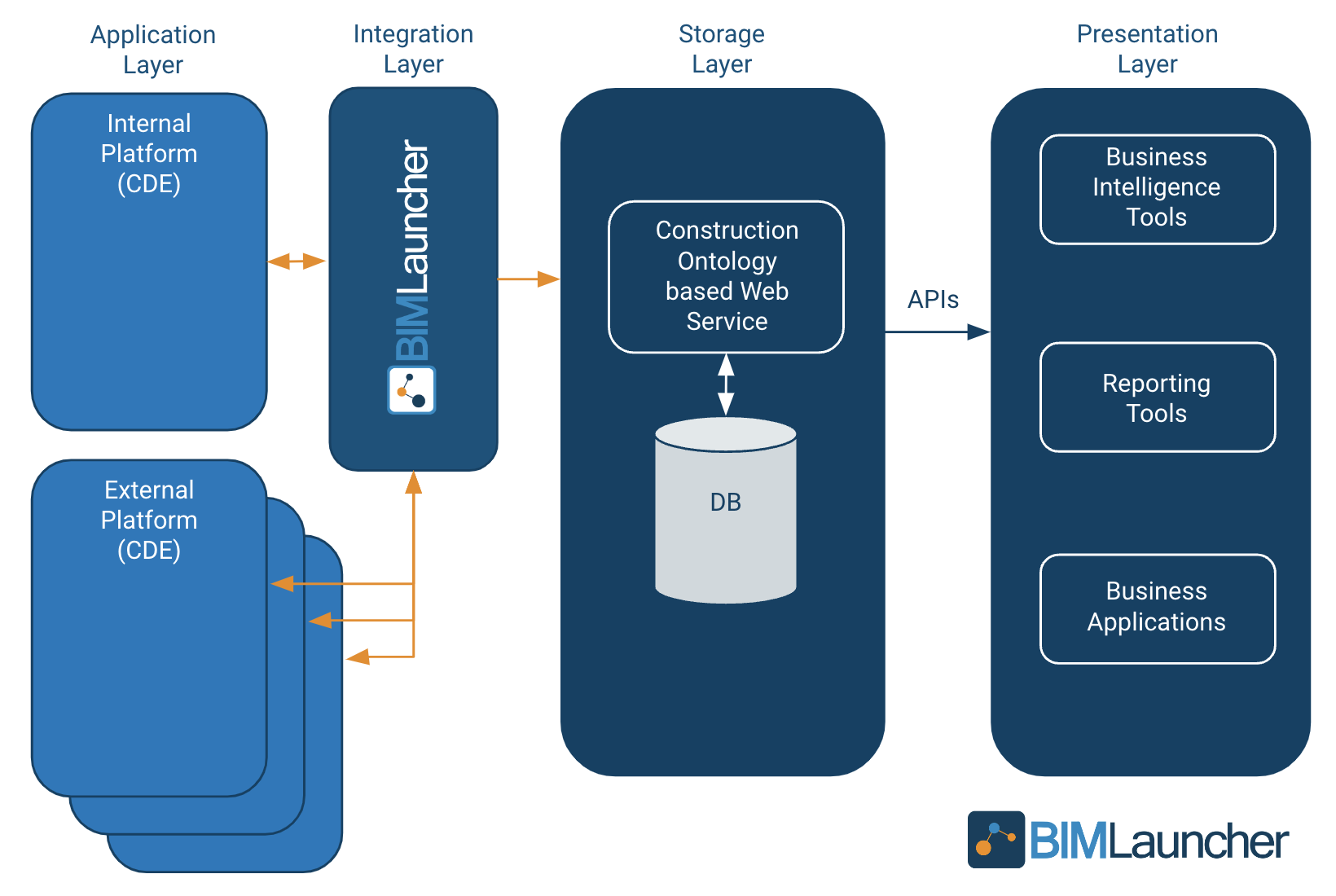
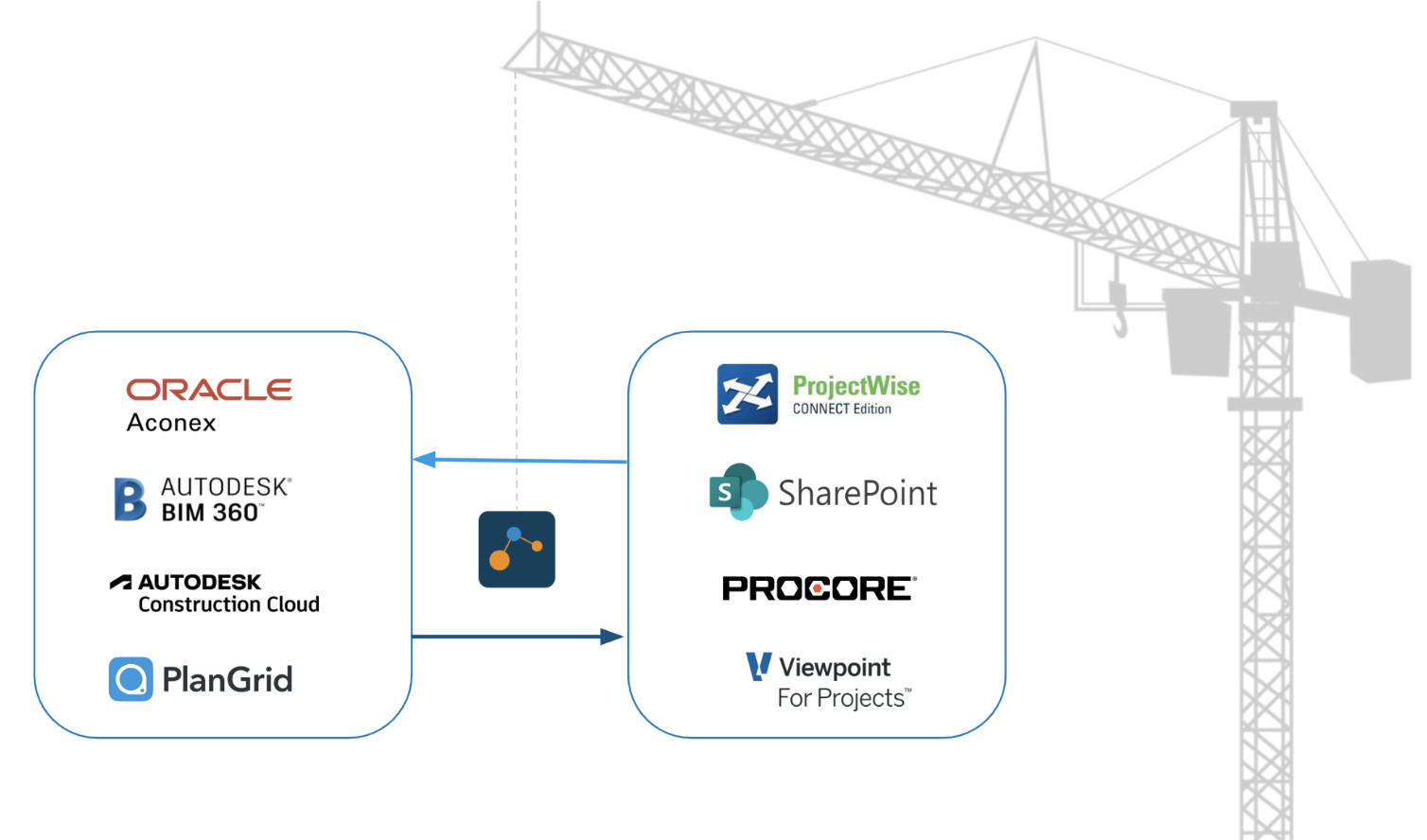

This is the “technical glue” behind all the above. Fragmentation often stems from multiple disconnected systems, “shadow IT”, spreadsheets, legacy tools.
From a blog:
“Data sprawl may sound like an IT problem, but it’s a problem for any organisation that uses data to define its business operations. … Without the right data, it’s impossible to deliver projects on time and on budget.” Quickbase
Another view: industry fragmentation prevents disruptive innovation because multiple small players, subcontractors and suppliers operate in silos, making digital change harder. Merit
From a PeopleOps perspective, fragmented systems mean the “people data” (skills, certifications, performance, safety records) are not integrated with project and finance data, making it hard to align workforce strategy with business outcomes.
3. Why does this matter? For business and for people-ops
Fragmentation in the back office is not just an operational nuisance: it hits both the business and the people side of the firm.
Business impacts
- Delayed billing / cash-flow problems: When approvals, invoices or job cost data are delayed due to manual hand-offs, cash flow can suffer. Adams Brown Tech
- Reduced profitability / margin erosion: Without real-time visibility into costs and jobs, overruns, rework and inaccuracies hide until margin is hit.
- Poor scalability: As the business grows (more sites, subcontractors, divisions) fragmentation multiplies, you end up duplicating processes and systems.
- Risk exposure: Disjointed compliance, subcontractor records, safety certifications increase exposure to regulatory, legal or insurance risk.
- Innovation blockage: As noted, fragmentation limits the ability to implement system-level innovation or digital transformation. Merit
People / HR impacts
- Workforce disengagement: When field crews and office teams live on different systems, miscommunications happen. Workers may feel “disconnected” from the office, or that their data (time, certifications, development) isn’t respected.
- HR inefficiencies: Repetitive manual tasks, data entry, fragmented records consume time that could be used for strategic people operations (development, retention).
- Skills and career pathing compromise: If certifications, training, skill-data are not integrated, you miss opportunities to develop talent and align workforce to project-needs.
- Cultural silos: When the back office is disconnected from the field, you reinforce “office vs site” silos, rather than creating a unified organisational culture that PeopleOps strives for.
4. Real-world scenario: A back-office fragmentation story
Let’s illustrate with a composite scenario (drawn from typical industry practice) to show how fragmentation hides and how it impacts.
Scenario: ABC Construction Ltd. is managing three simultaneous building projects across different cities. They utilise a project-management tool for site teams, an accounting system for finance, and a basic spreadsheet approach for HR/timekeeping. They also rely on email and pdfs for vendor/subcontractor management.
Key pain-points:
- Site A submits timesheets via paper at week’s end; HR then manually enters into payroll. Delay: 3 business days.
- Subcontractor B sends a vendor invoice late because the procurement approval form was emailed and lost in the inbox. Materials delivery is delayed by 2 days, leading to idle crew time.
- Project Manager C doesn’t have access to real-time job cost data; they assume margins are fine, but by end of month, labour cost is 8% over budget, only discovered when month-end reconciled.
- Safety training records and certifications of some crew members are stored on the file-server; HR doesn’t have them in the central HRIS. An audit demands proof, chasing records becomes a week-long exercise.
- Field and office teams feel disconnected: site team says “we’re on our own” for approvals, HR says “we need our data entry done first”, and culture suffers.
Impact:
- Financial margin for Project A drops by 4% due to idle time and late invoicing.
- HR spends ~30% more time than expected on manual data entry and reconciling certification records, less time for planning and development.
- Employee turnover increases, site crew feel their career trajectories are unclear because “we’re out of sight of the office”.
- ABC Construction finds it difficult to bid on new bigger jobs because they cannot demonstrate strong back-office controls.
5. How PeopleOps can help fix fragmentation
Here’s where an intentional PeopleOps strategy, aligning people, processes, data and culture, can turn around the back-office fragmentation challenge.
1. Map your end-to-end workflows
- Identify all back-office functions (HR, payroll, procurement, subcontractor management, project accounting).
- Map the hand-offs, systems, people, and data flows. Where are the gaps, duplicate entries, manual interventions?
- Highlight the “pain points” in each workflow (slow approvals, data re-entry, missing visibility).
This gives you the baseline for where fragmentation hides.
2. Define a single source of truth and integrate systems
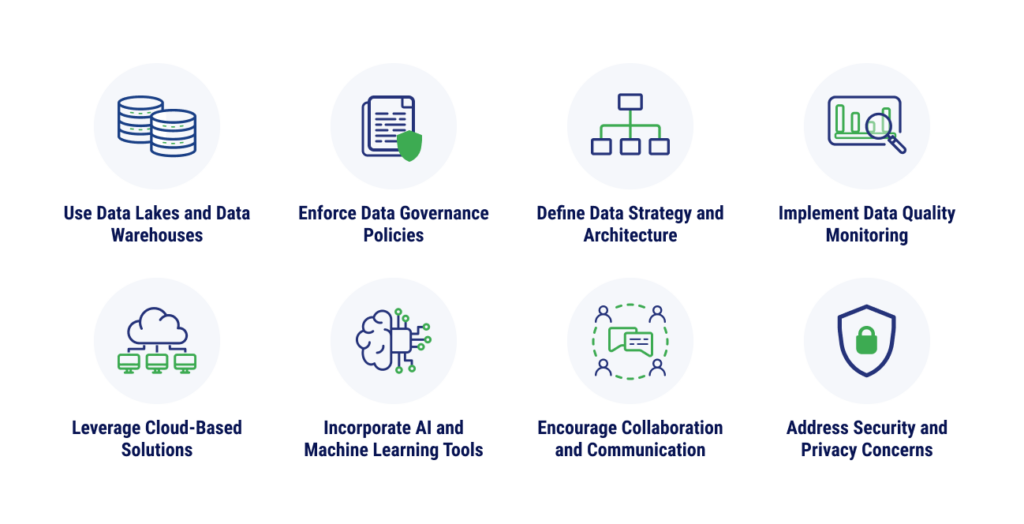
- Choose core systems (HRIS, project management, accounting, procurement) and plan for integration rather than having disconnected tools.
- Ensure that key data (people skills, certifications, timesheets, project cost data, vendor commitments) flows across systems in near-real-time.
- Eliminate shadow spreadsheets where possible; standardise the data input once and reuse.
As industry analysis says: many firms have six or more tools; the challenge is “without the right data, it’s impossible to deliver projects on time and on budget”. Quickbase
3. Automate repetitive and administrative tasks
- Use workflow automation for invoice approvals, time-sheet submission, certification renewal notifications, vendor contract renewals.
- Free up HR and back-office staff from “work about work” (i.e., manual tasks) so they can focus on value-added activities (talent development, strategic planning).
For example: automating invoice routing reduces approval delays, improving cash-flow and reducing idle time.
4. Create real-time visibility dashboards
- Build role-specific dashboards for field managers, finance, HR and leadership.
- Field managers should see labour utilisation, cost-overruns; HR should see skills gap, certification status; finance should see billing status, job cost forecasts.
- When everyone is looking at the same data, alignment improves and the risk of surprises reduces.
5. Embed people-centric culture and skills development
- Use PeopleOps to reinforce that back-office is not “administration” but a strategic enabler of the business and of people’s careers.
- Connect workforce planning to project planning: know the skills you need for upcoming projects, align training, certifications and recruiting pipelines accordingly.
- Encourage collaboration between site teams and back-office teams; build shared metrics (e.g., labour productivity, cash-flow from invoicing) to create shared ownership.
6. Monitor, iterate and scale
- Measure KPIs: e.g., invoice approval cycle time, time-to-pay vendors, payroll error rates, time to onboard workers, field approval delays, number of manual hand-offs.
- Apply continuous improvement (lean thinking) to reduce “waste” in back-office workflows (unnecessary approvals, duplication of entry, waiting times).
- As you scale (more sites, more subcontractors, more complexity) you already have a robust, integrated back-office to absorb growth rather than become a choke-point.
6. Final thoughts & call to action
In construction the site may be the heart of operations, but the back office is the nervous system. When that nervous system is fragmented, hidden inefficiencies, data silos and delay build up, undermining both business performance and people experience.
As PeopleOps practitioners working for construction organisations, here’s your agenda:
- Surface the hidden fragmentation in your back-office workflows.
- Align people, process and technology with business goals.
- Move from reactive administration to proactive workforce and operational enablement.
- Build a back-office that supports growth, profitability and culture not one that simply survives on spreadsheets and manual workarounds.
If your organisation is grappling with mis-aligned systems, fractured workflows or people feeling disconnected between the field and the office, now is the time to act. Fragmentation doesn’t announce itself, but its cost shows up on your margins, your cash-flow and your retention rates.
Your role in PeopleOps is pivotal: you can bring the tools, the process maps and the culture shift to make the back office a strategic asset, not a drag.
Leave a Reply